The leak was upstairs. The damage is yours.
Condo and multi-unit water losses across Sandy Springs, extracted, dried and documented unit by unit so the insurers can divide the damage without a fight.
A riser failure is one event and four claims.
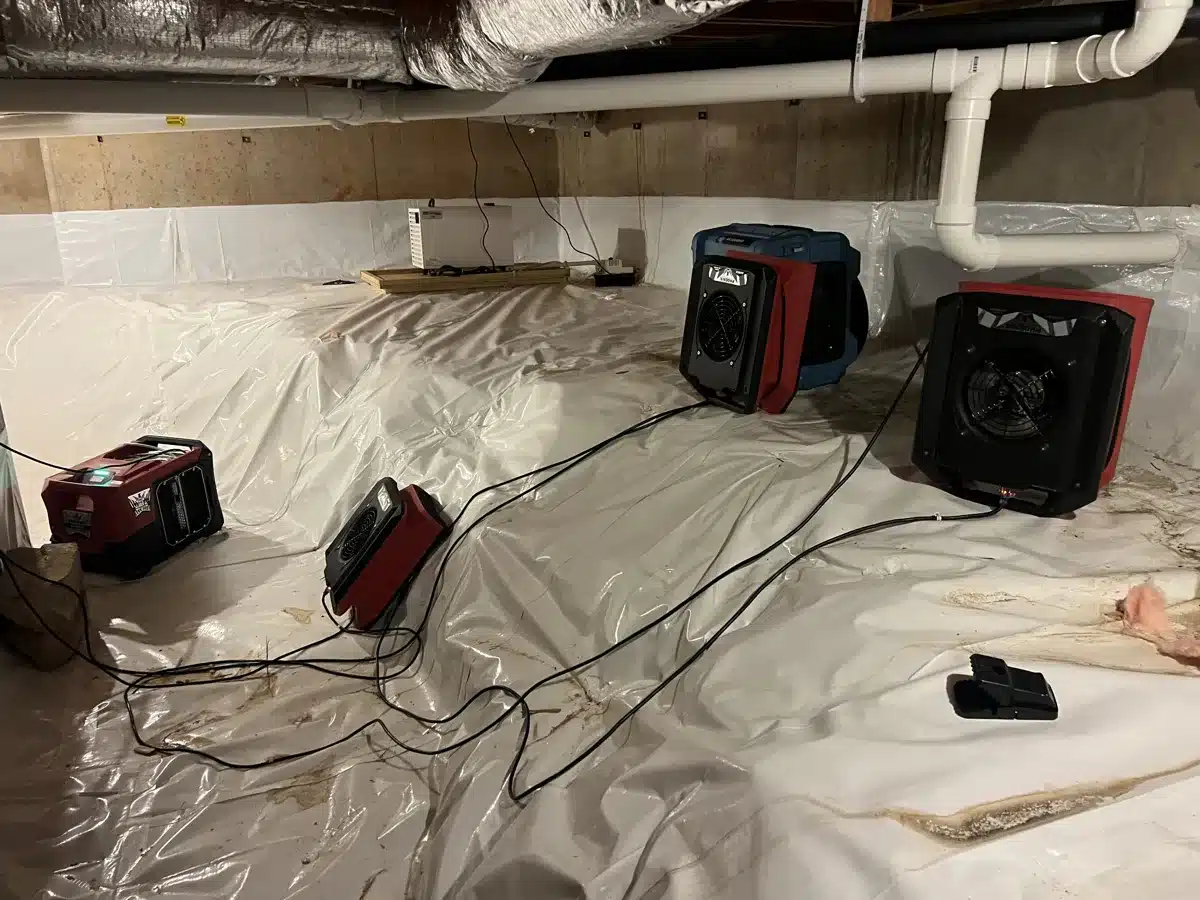
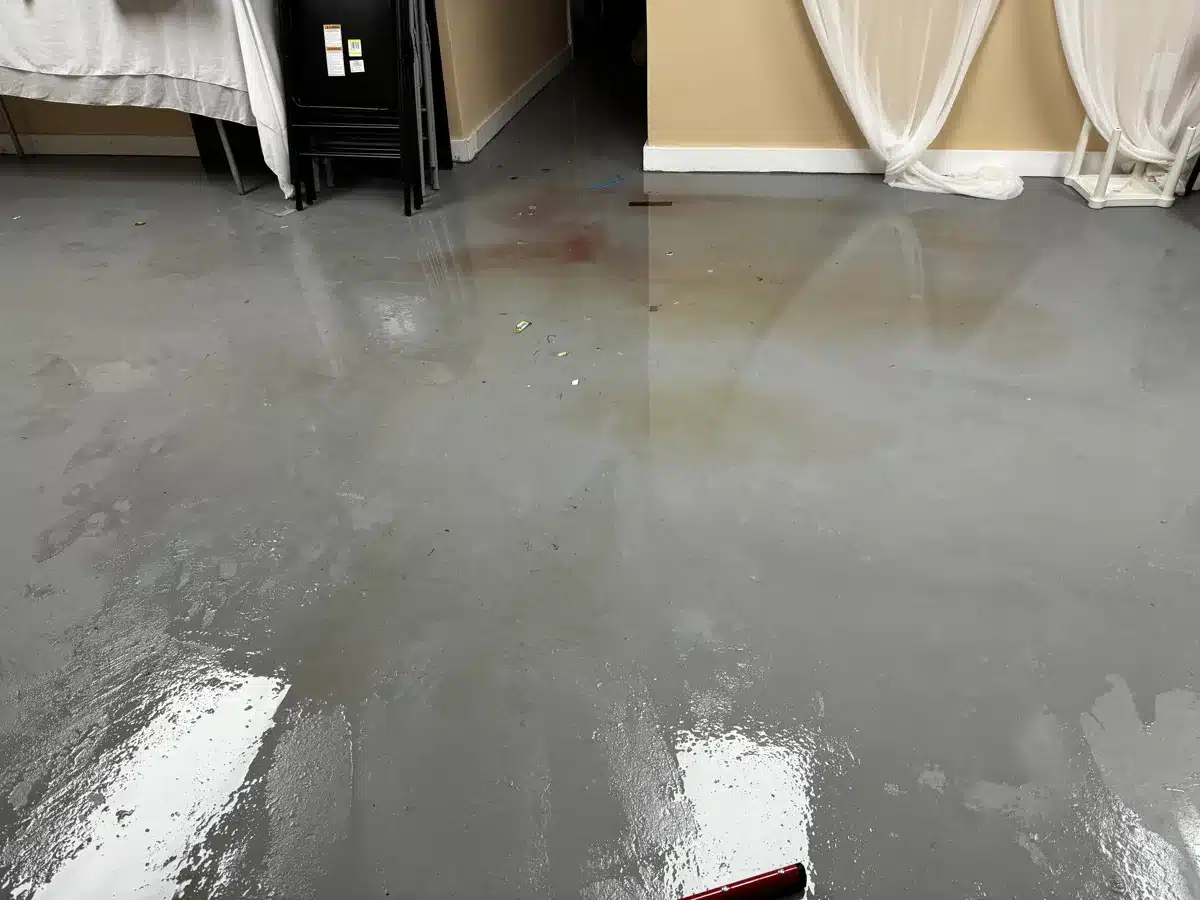
Water in a stacked building travels down. A supply failure, water heater or burst riser on an upper floor moves through the floor and into every unit beneath it, and by the time anyone notices, three or four owners have damage and none of them caused it.
That raises a question that has to be answered on evidence: which damage belongs to which policy. The master policy generally covers the building's structure and common areas; each owner's policy covers their unit's interior, with the exact line in the association's documents. So we scope each unit separately: separate moisture mapping, separate photos, separate line items.
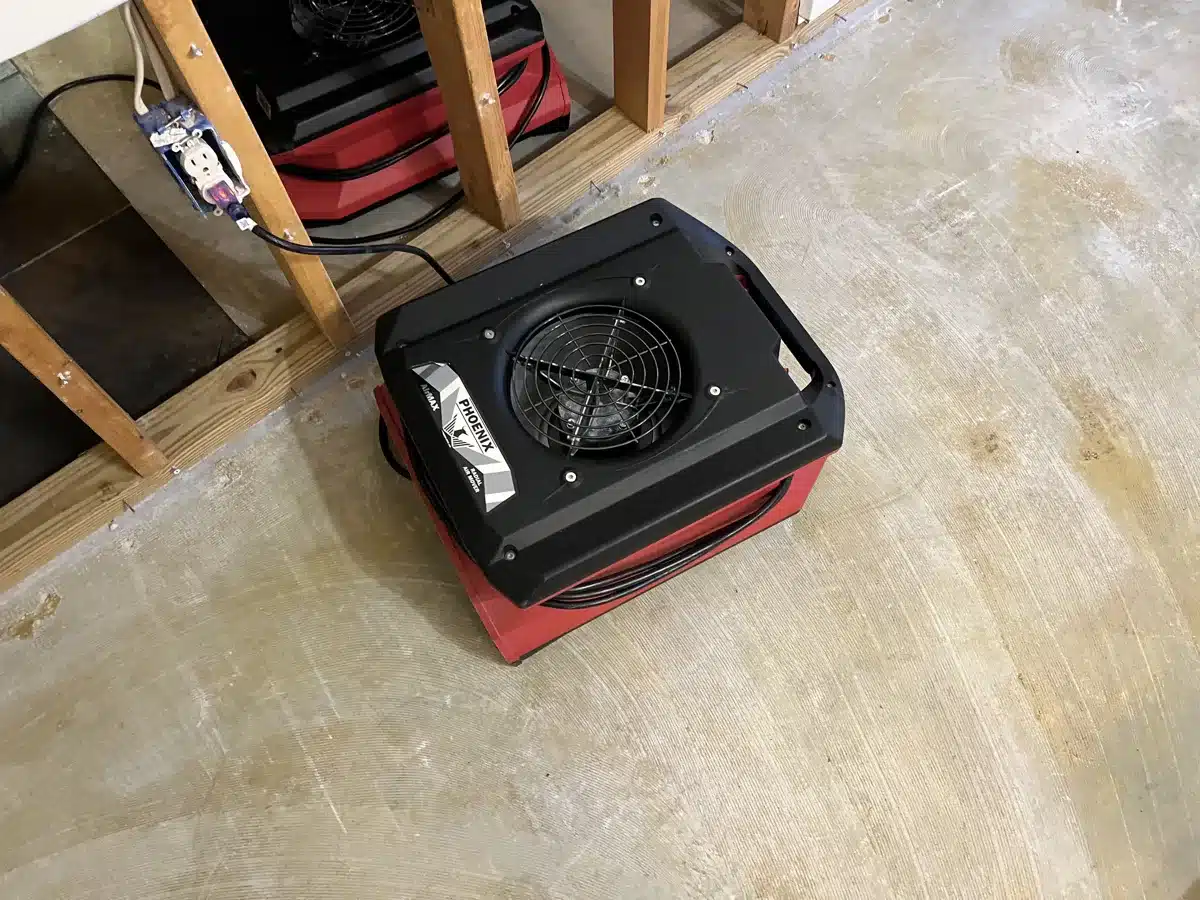
Access is the practical limit. Equipment comes through a controlled building, work fits association rules on hours, and units whose owners are away still have to be dried, because one wet unit in the middle of a stack undoes the drying on either side of it.