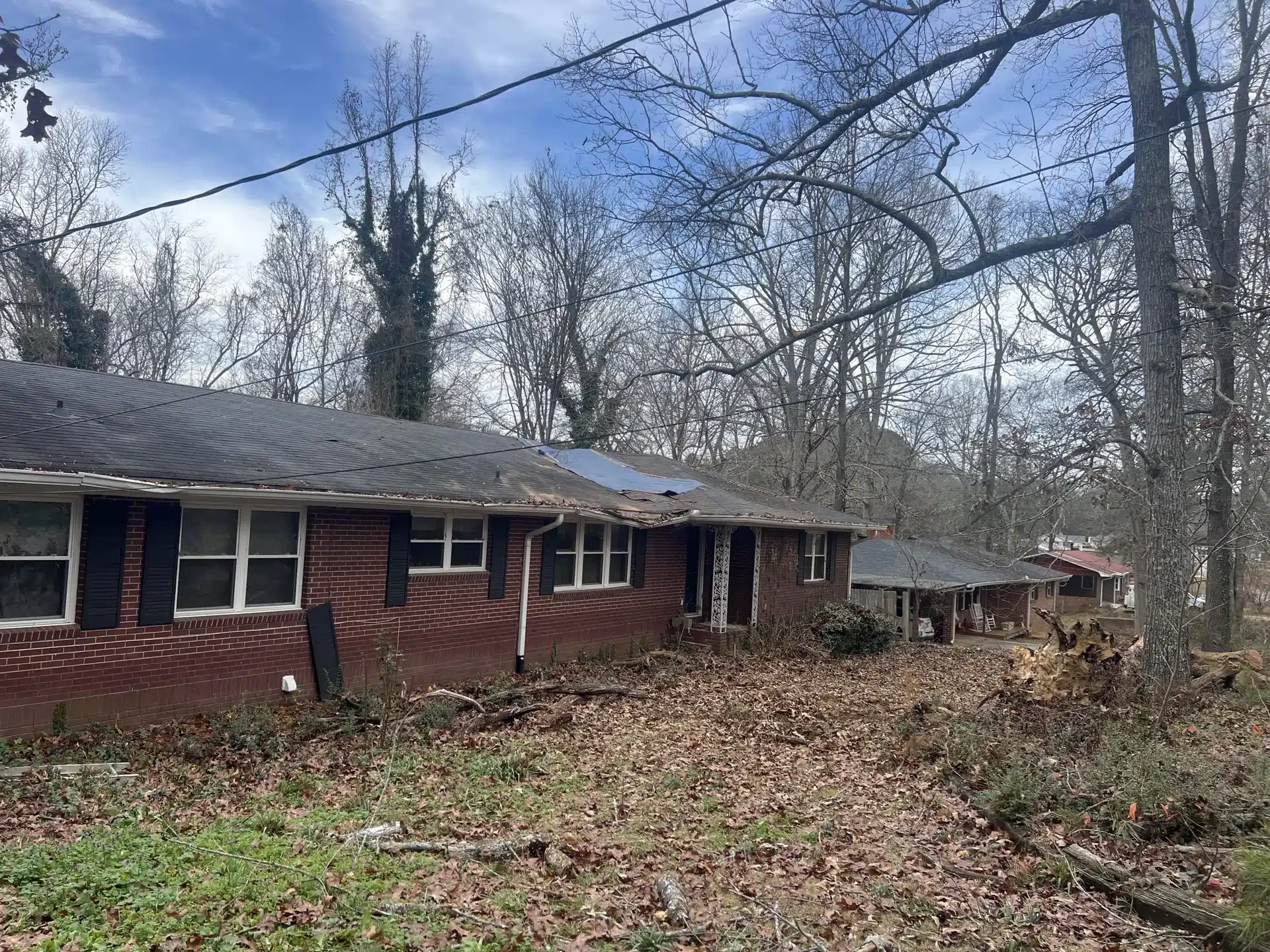
Structure first. Everything else after.
Tornado damage is the one case where the first question is whether the building is safe to enter at all. We secure it, bring in an engineer where needed, then rebuild.
Georgia has a second tornado season, and it's in November.
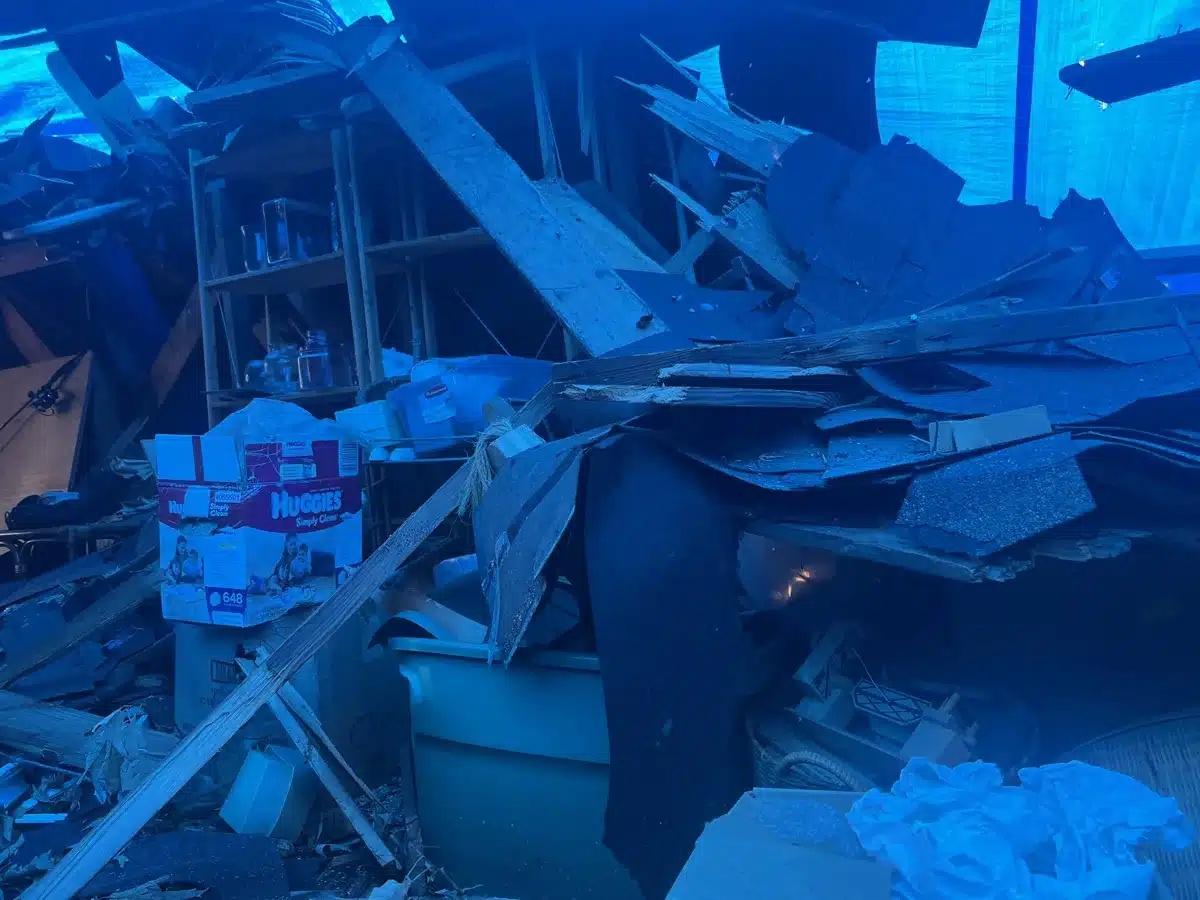
Most of the country has one tornado season. The Southeast has two: the familiar spring peak in March and April, and a second one in November that catches people off guard. Most Georgia tornadoes are weaker ones that seriously damage individual homes without making the national news.
Two things make them more dangerous here than the numbers suggest. Many happen at night, when people are asleep. And the trees and terrain mean a tornado is often wrapped in rain and invisible until it arrives.
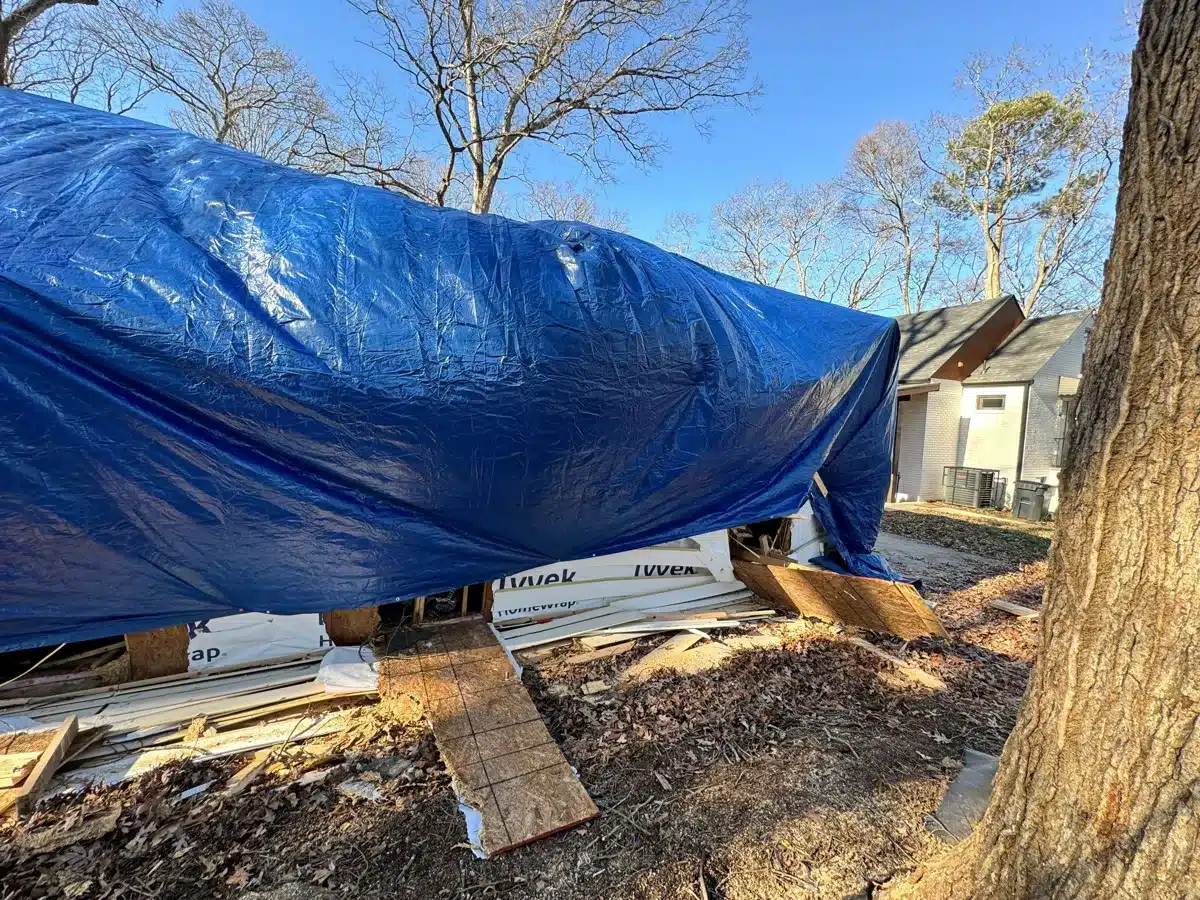
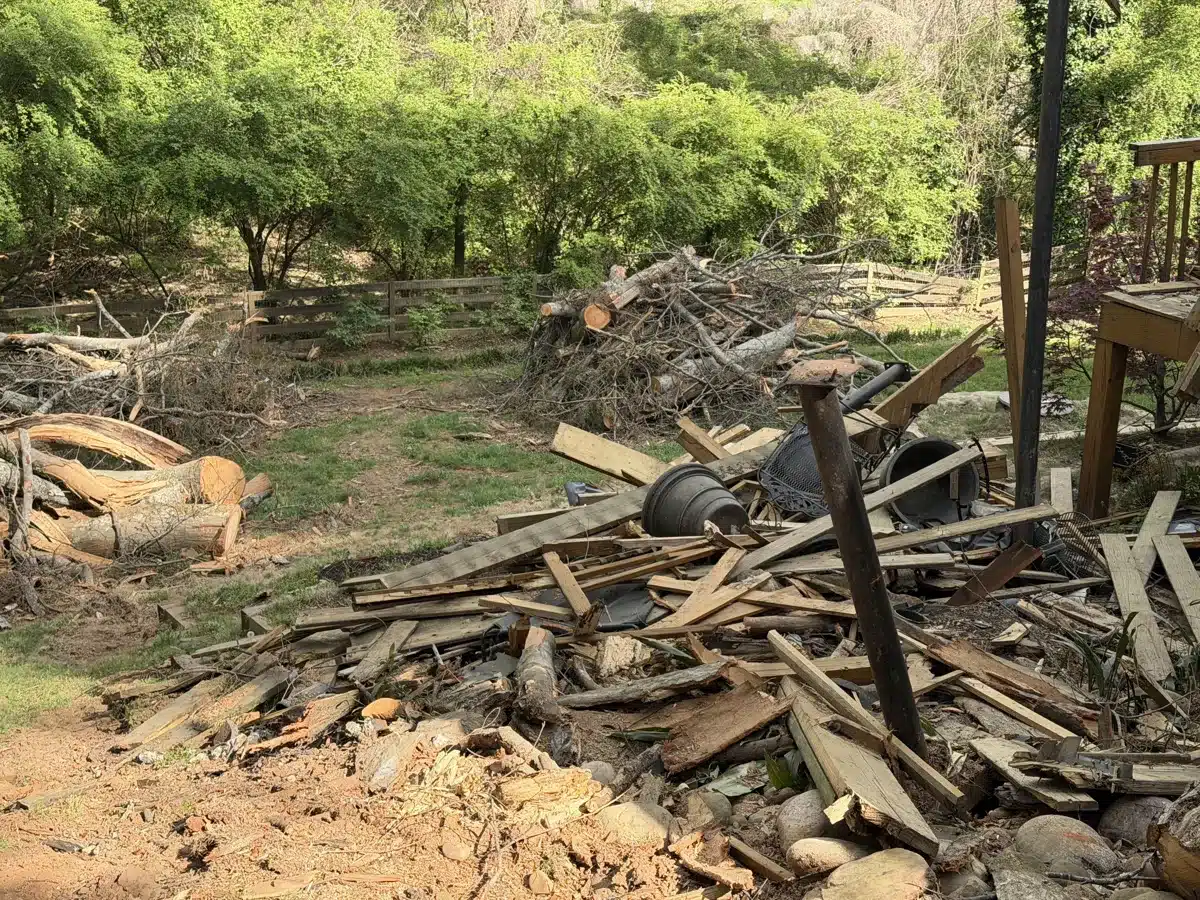
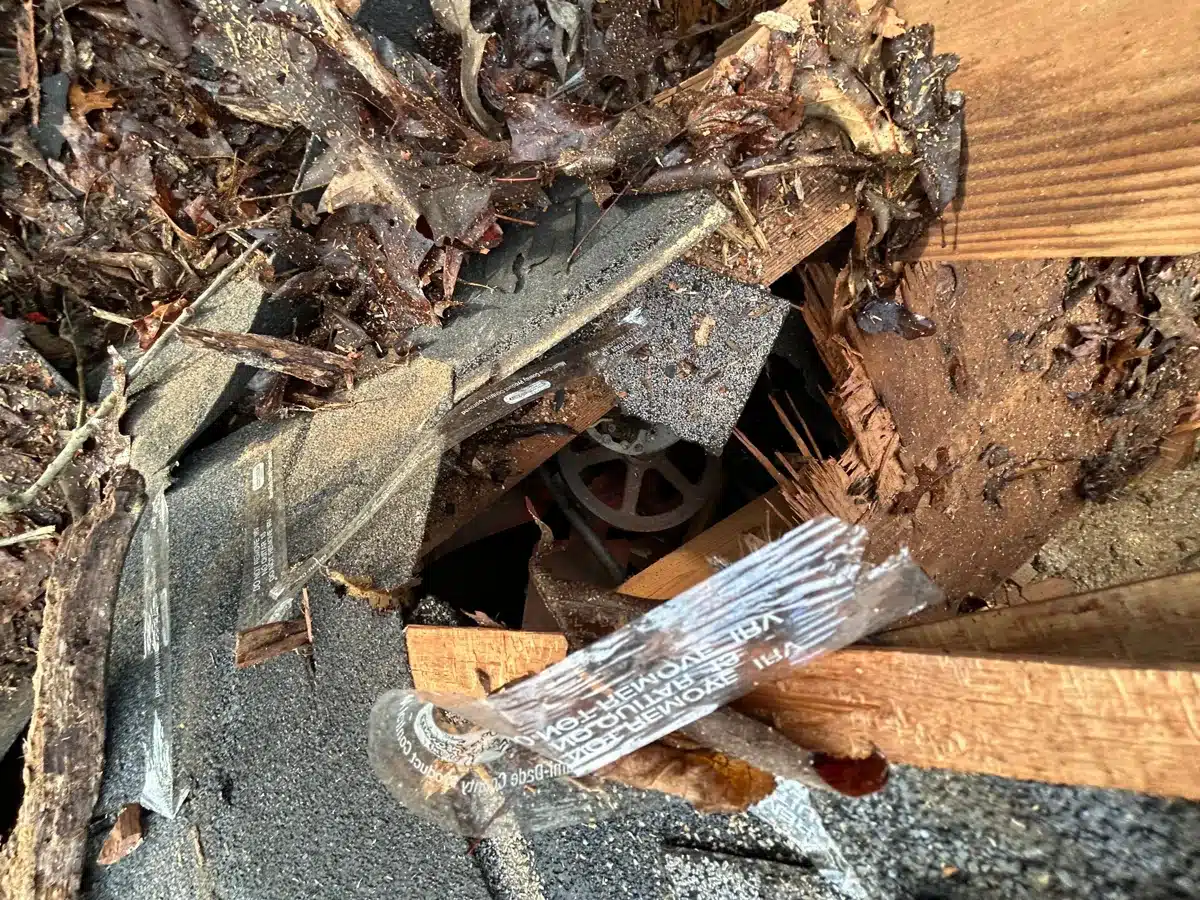
For restoration, that means damage is very local and very uneven. One house is destroyed and the next loses a few shingles, so assessment has to be house by house. Flying debris is the defining damage: it punctures roofs, walls and windows and creates entry points for water all over the structure rather than in one place. Finding every one of them is the job.
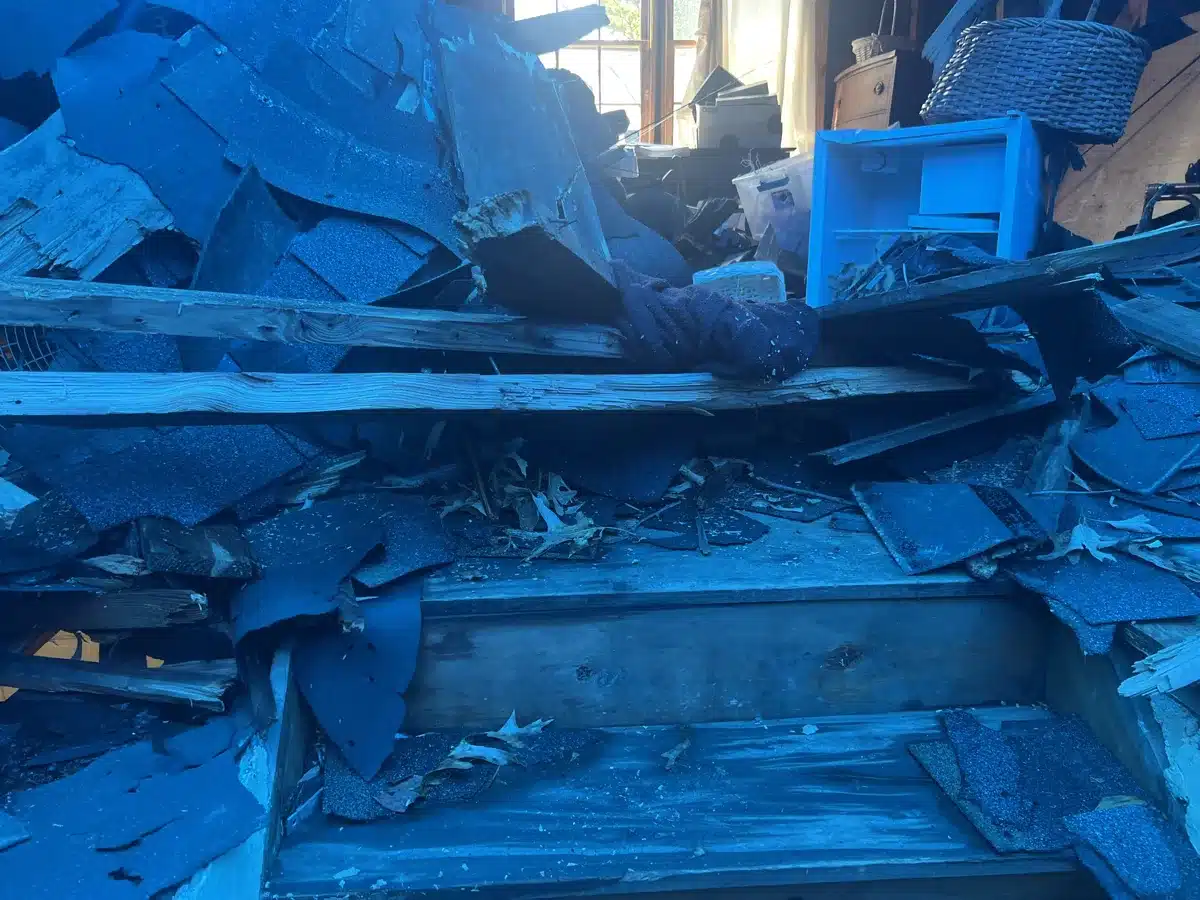
Water arrives after the wind leaves.
A house opened up in several places takes in rain from the next storm, and often the one after that.
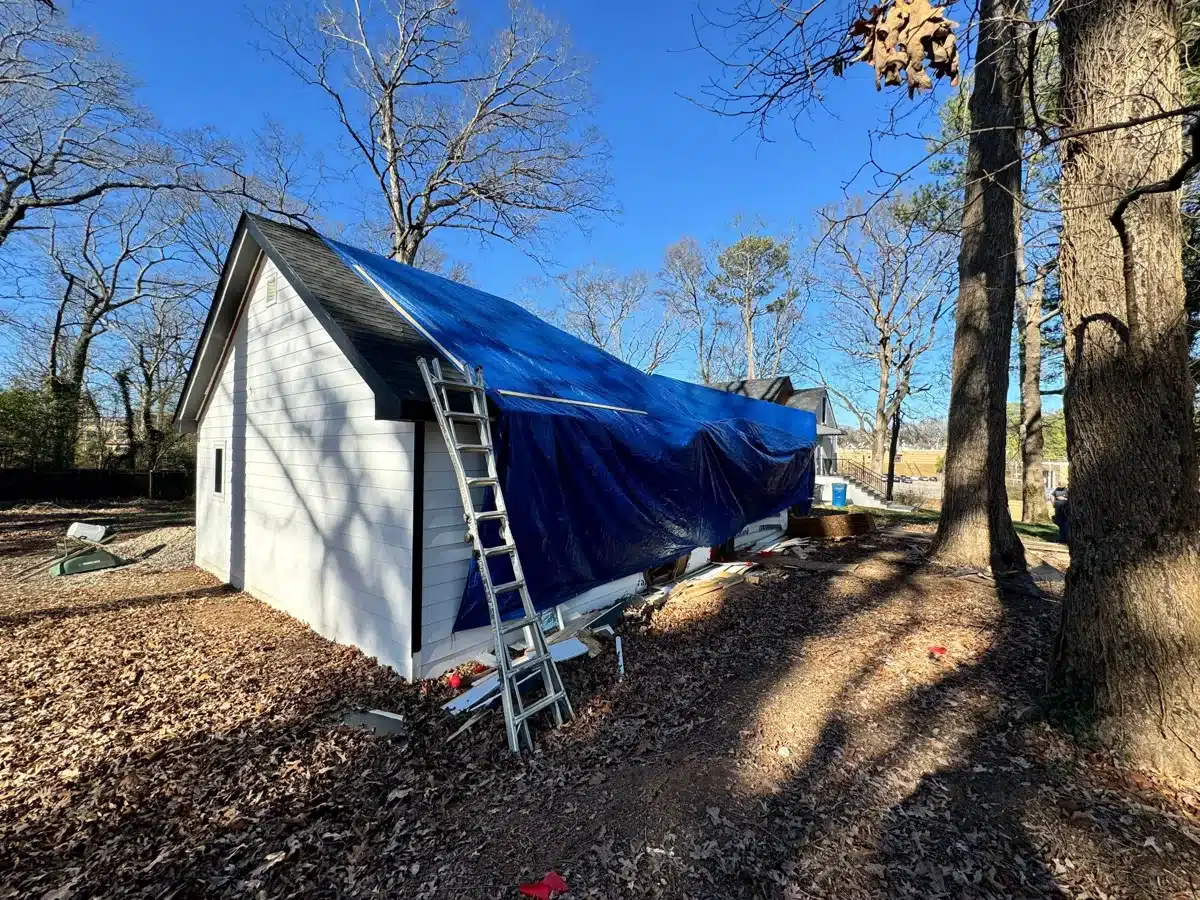
Closing it up quickly is what stops a wind loss from turning into a water and mold loss over the following week.
More storm damage services.
 Emergency Storm Response & TarpingTarping, board-up and water extraction as soon as it's safe.
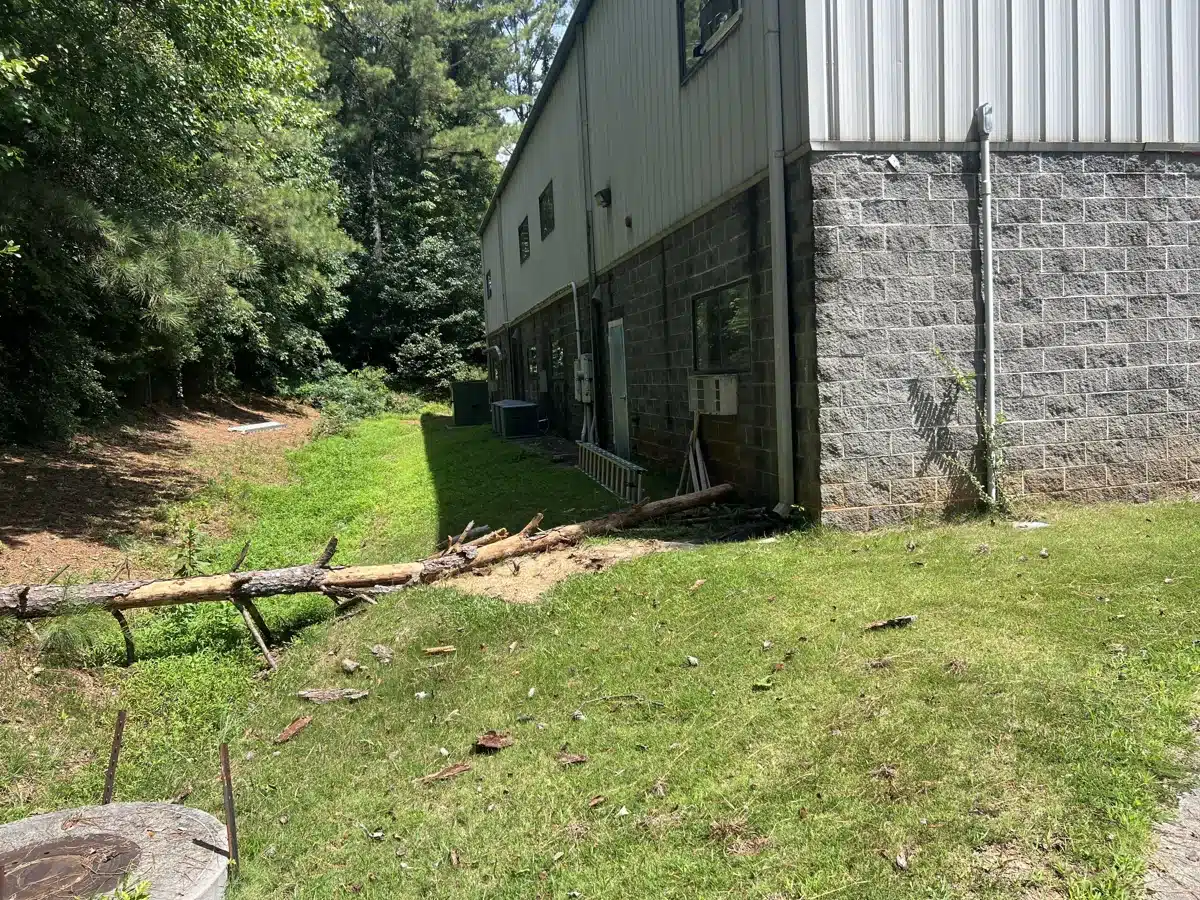 Flood Damage RestorationWater that crossed the ground carries whatever the ground carried.
 Wind Damage RepairStraight-line winds lift shingles and drop them back in place.
 Hurricane & Tropical Storm Damage RepairTropical storms reach north Georgia with the wind weakened and the rain intact.
 Post-Storm Repair & ReconstructionMost of what goes wrong in storm work happens in the handoff between the emergency crew and the rebuild crew.
 Storm Damage overviewHow we handle storm damage from the first call to the rebuild.