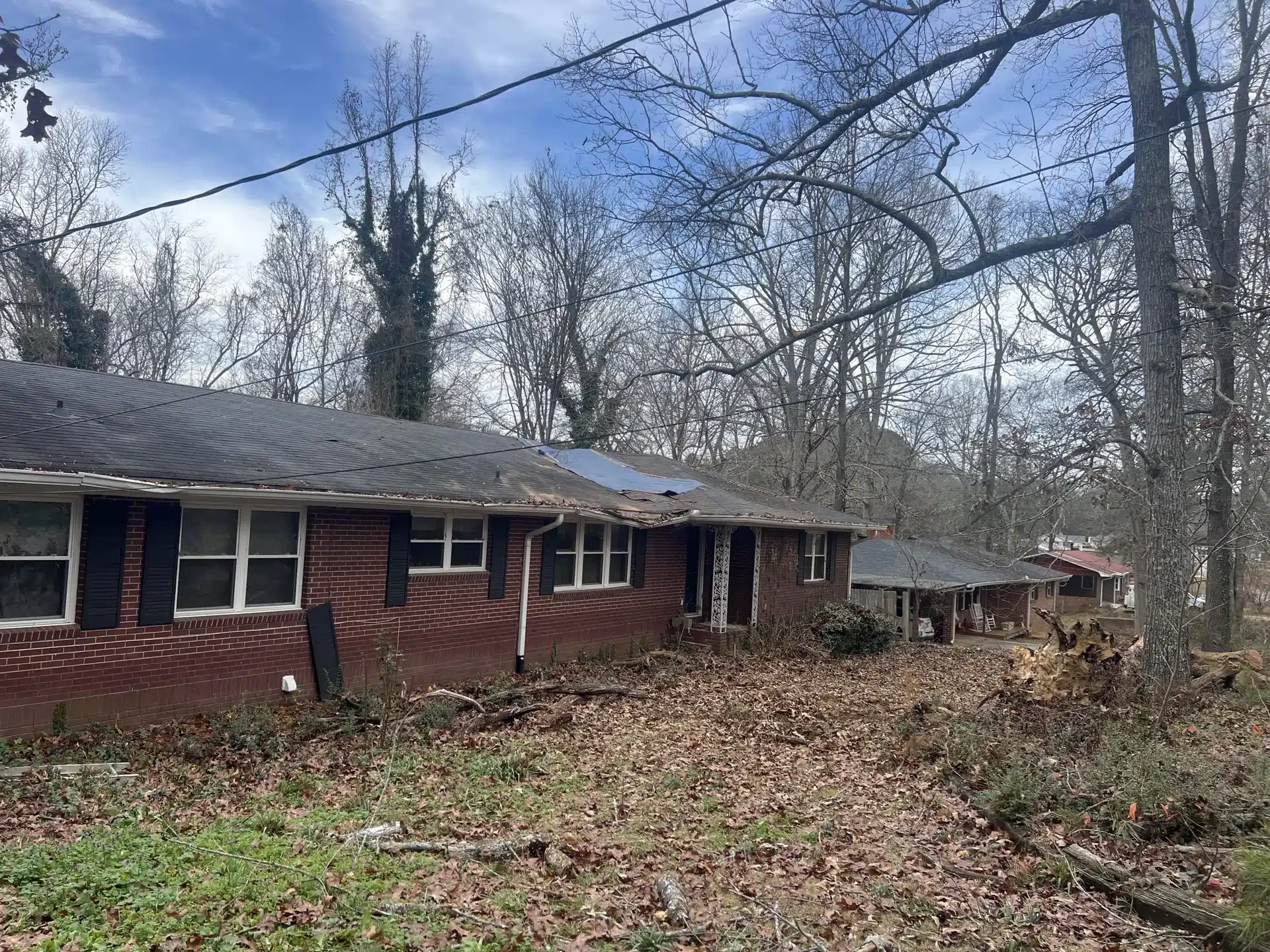
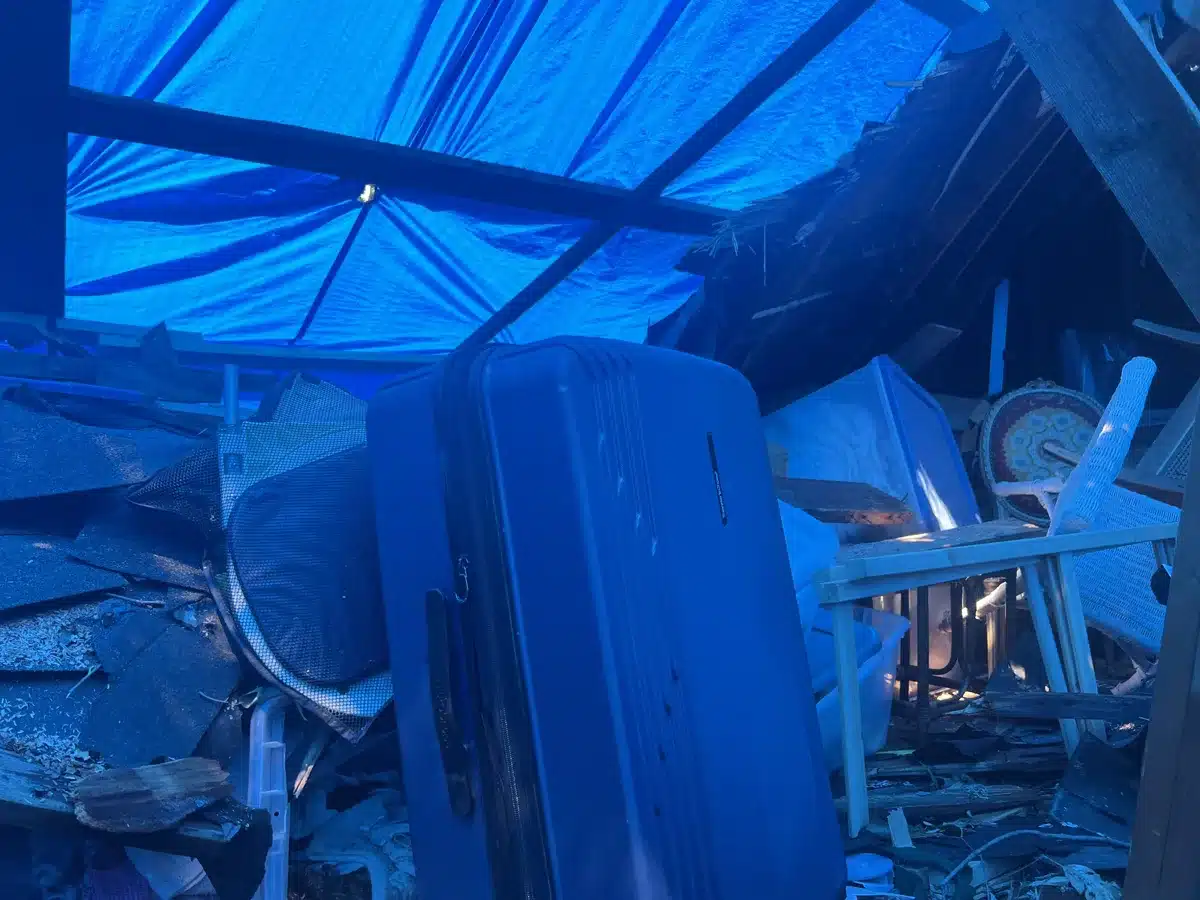
The tarp isn't the finish line.
Most of what goes wrong in storm work happens in the handoff between the emergency crew and the rebuild crew. We do both, so nothing gets lost in between.
Why the handoff is where storm jobs fail.
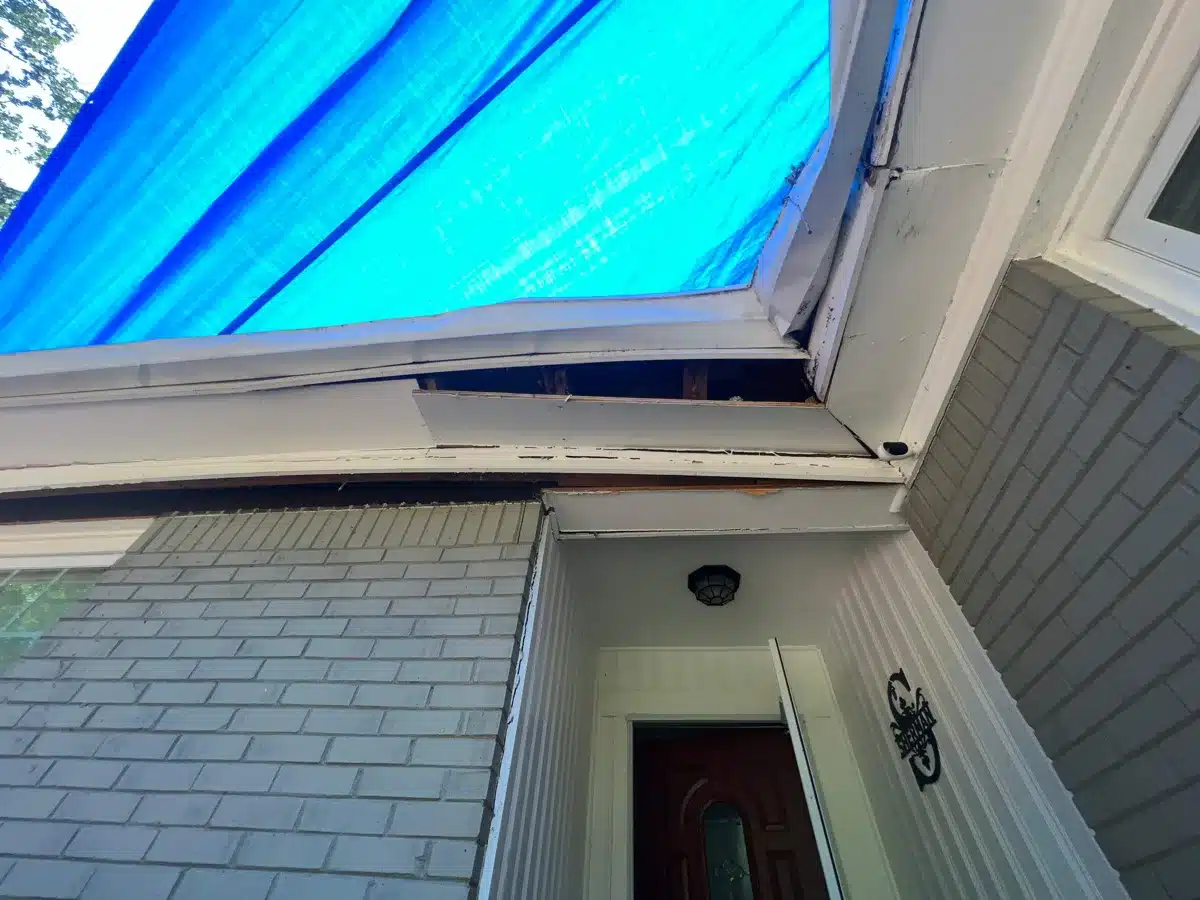
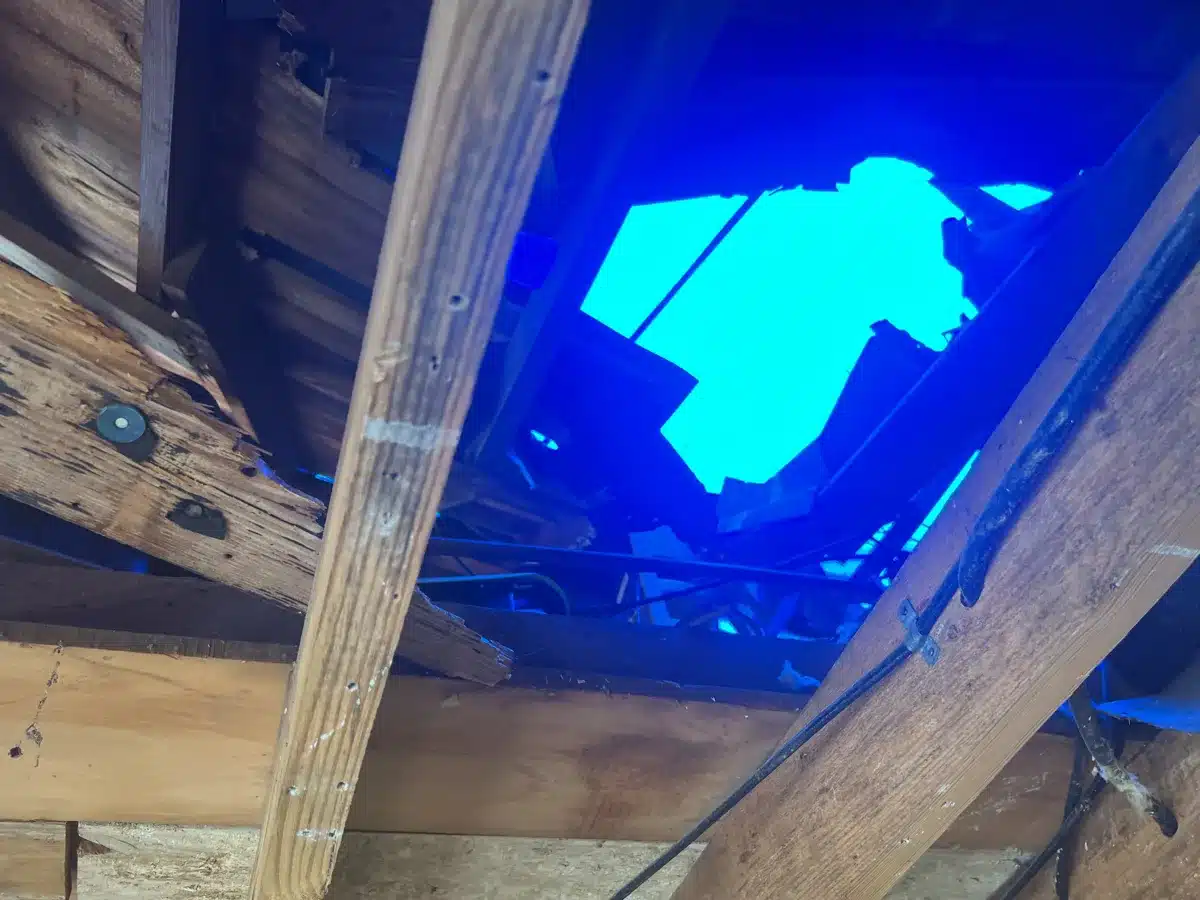
The common pattern: one company tarps and dries, and a different one rebuilds months later. That gap is where things go wrong. The rebuild contractor wasn't there when the wall was open and has to take someone's word for what was behind it. Moisture readings don't get passed on. Work starts on a wall that was never verified dry, and the mold shows up next summer behind new drywall.
Running both phases with one team removes that gap. The people writing the rebuild scope are the people who documented the damage, and the drying log is in the same file as the repair estimate.
It matters for the claim, too. Supplements are routine in storm work, because damage turns up during the repair that wasn't visible at the start. With the original documentation, a supplement is quick to support. Without it, you're starting from nothing. Our standard is pre-loss condition: not better, not approximately. If materials are discontinued and can't be matched, we raise it with the adjuster rather than quietly substituting.
Same file, start to finish.
The drying log, the thermal images, the original scope and the rebuild estimate all live in one file.
When an adjuster asks why a wall came out or what the readings were on day four, the answer takes a minute, not a week.
More storm damage services.
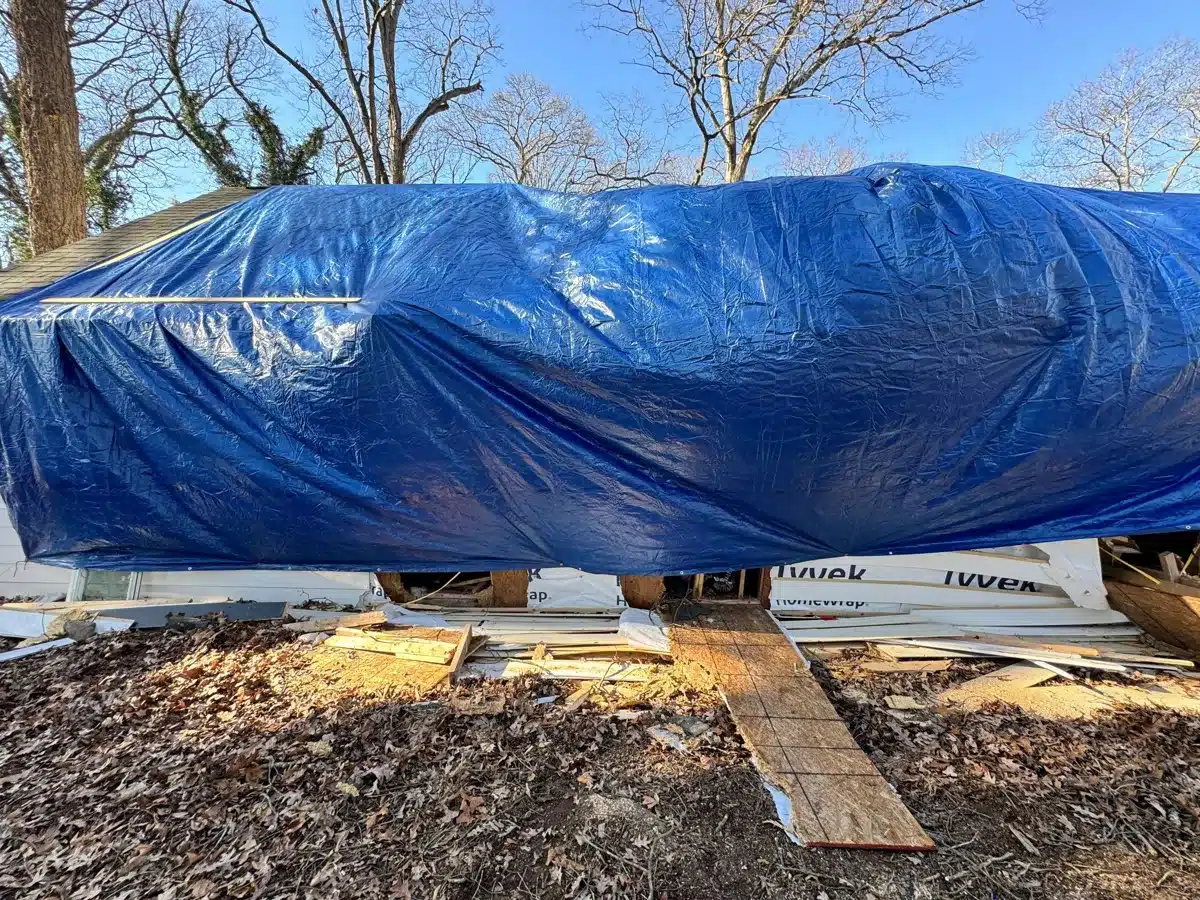
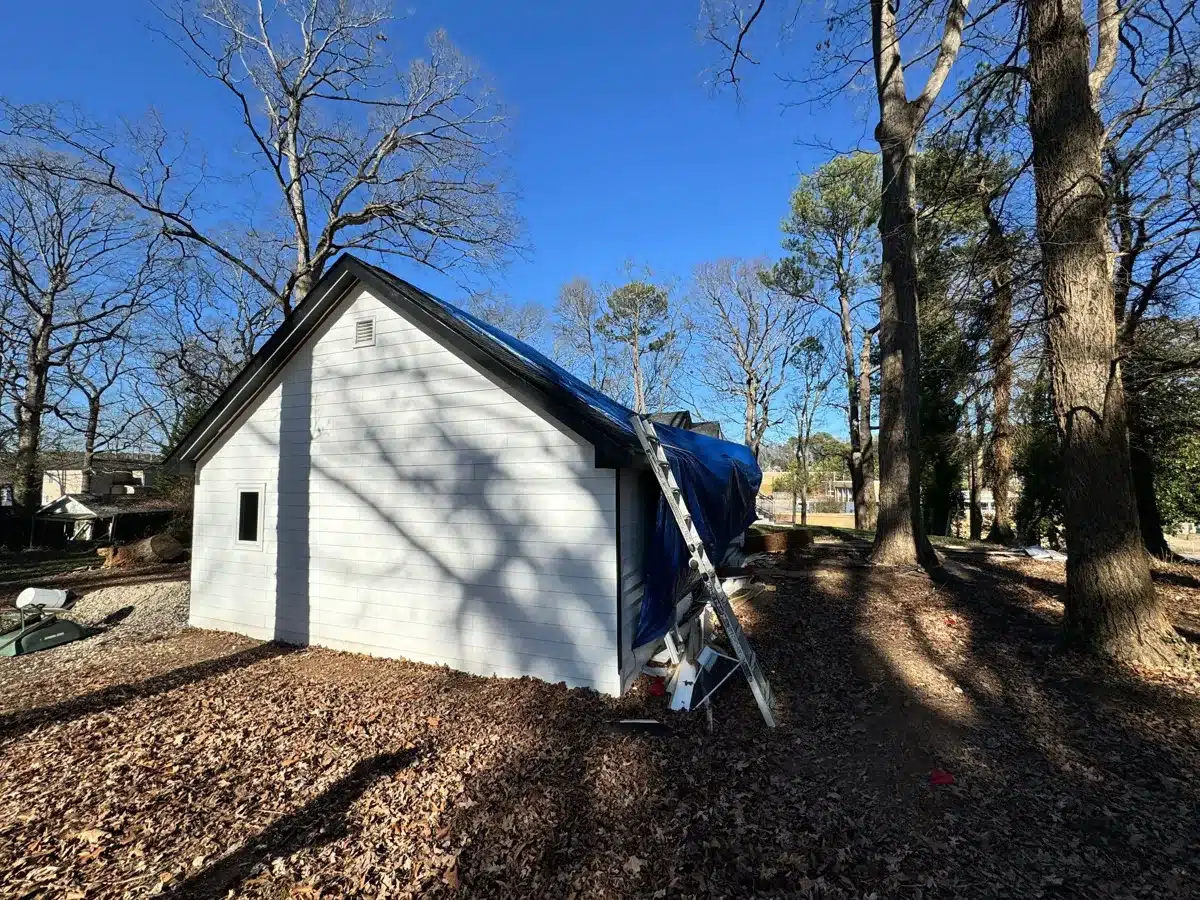 Emergency Storm Response & TarpingTarping, board-up and water extraction as soon as it's safe.
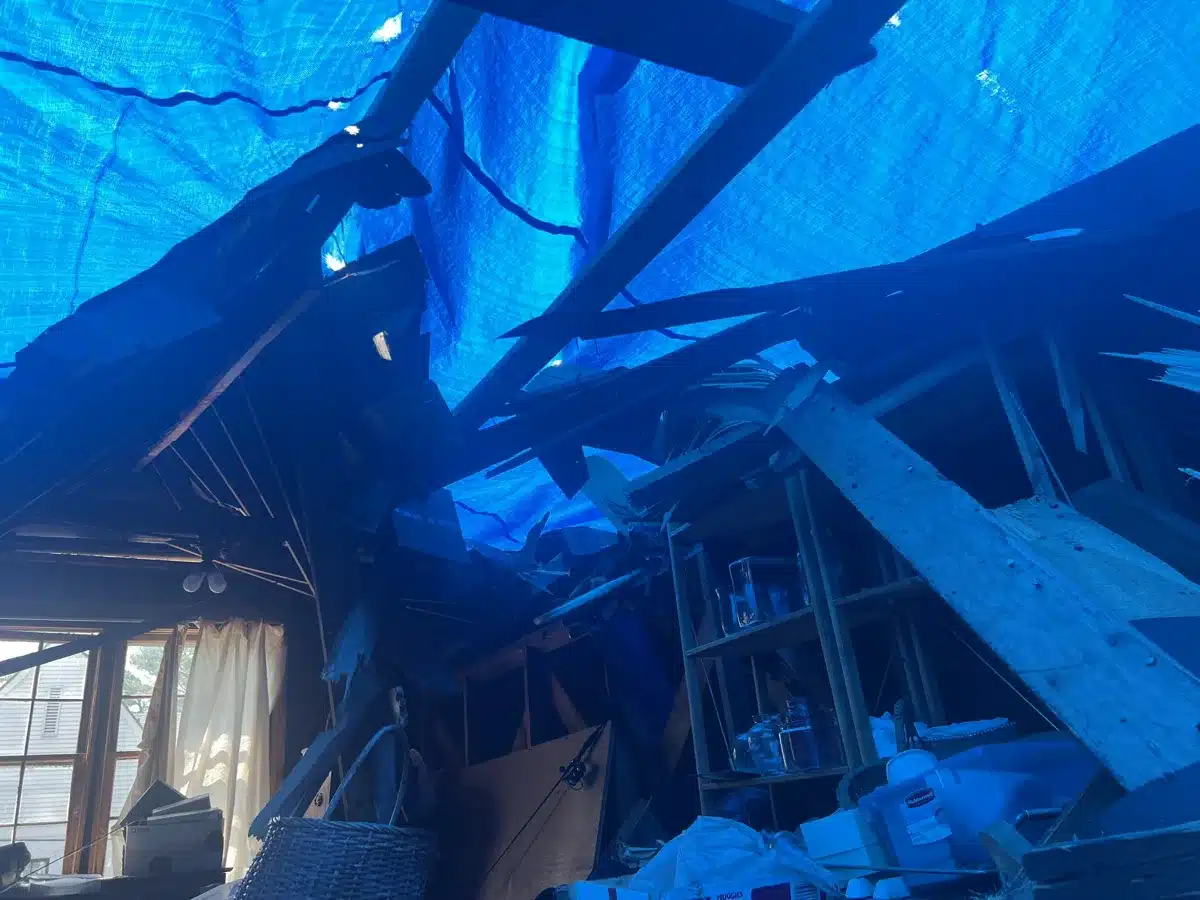
 Flood Damage RestorationWater that crossed the ground carries whatever the ground carried.
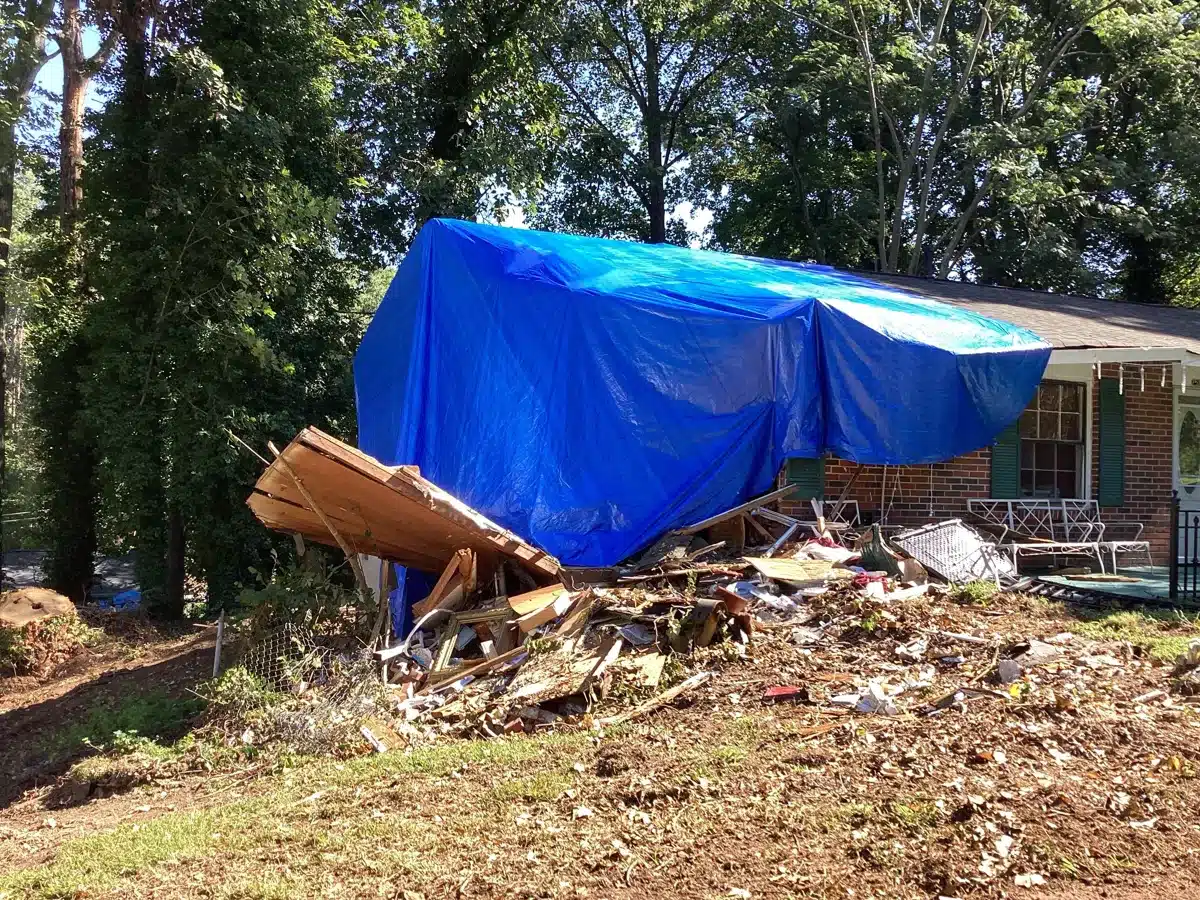
 Wind Damage RepairStraight-line winds lift shingles and drop them back in place.
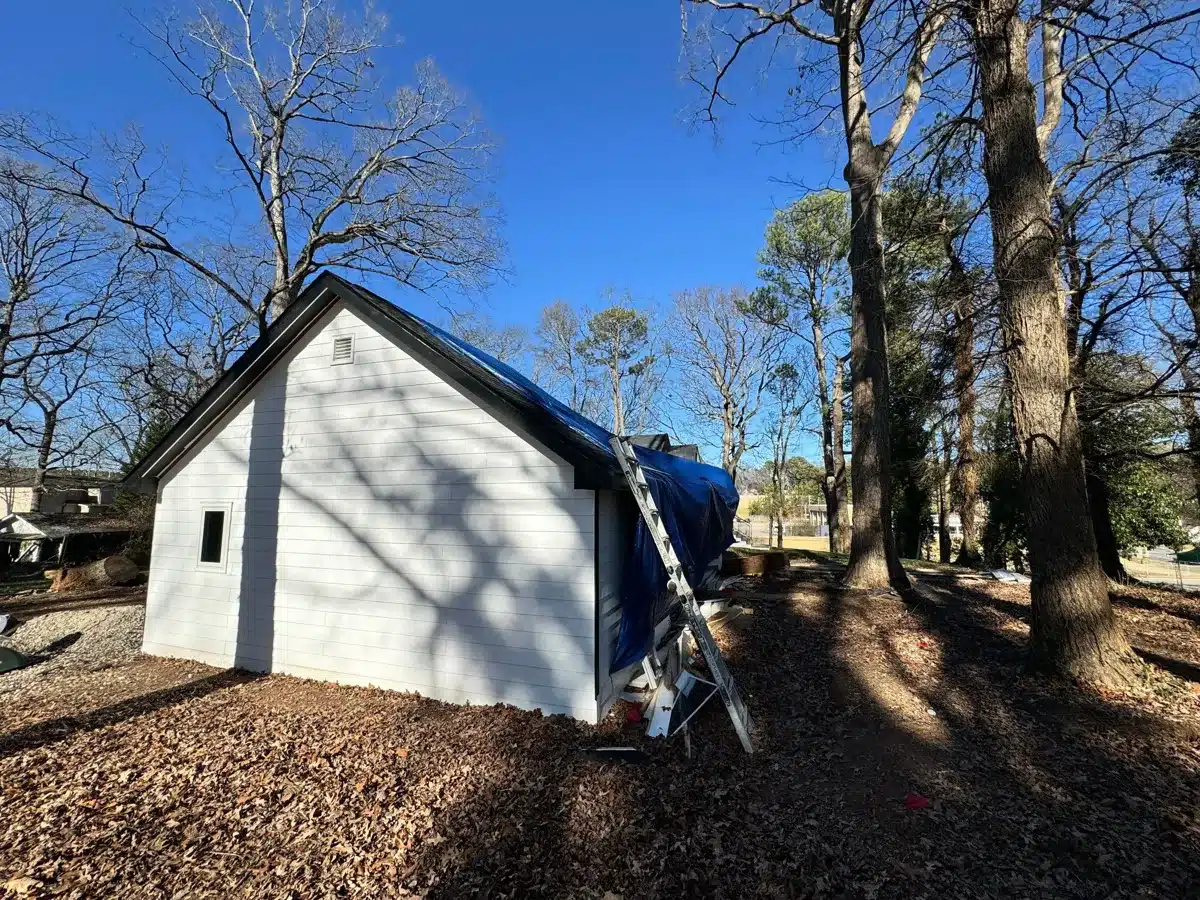
 Hurricane & Tropical Storm Damage RepairTropical storms reach north Georgia with the wind weakened and the rain intact.
 Tornado Damage RepairTornado damage is the one case where the first question is whether the building is safe to enter at all.
 Storm Damage overviewHow we handle storm damage from the first call to the rebuild.