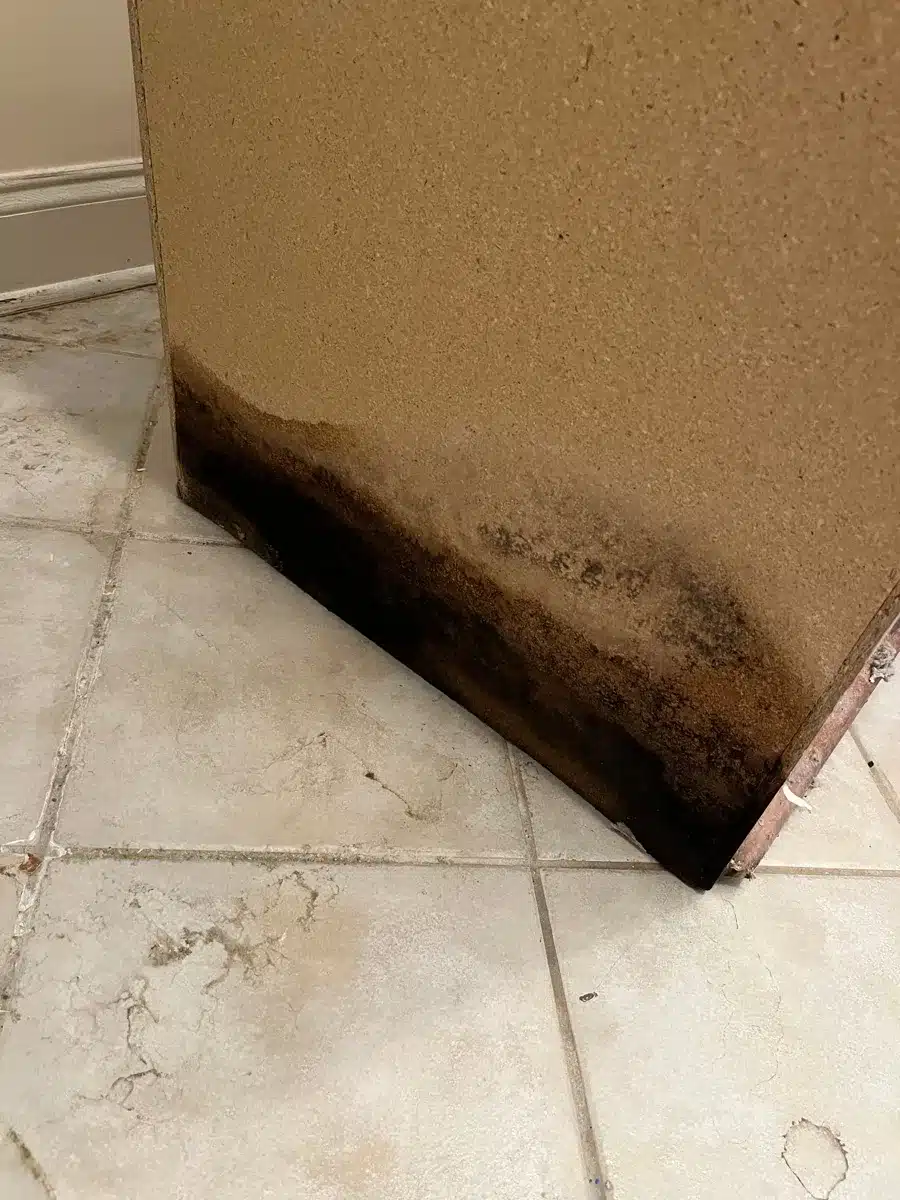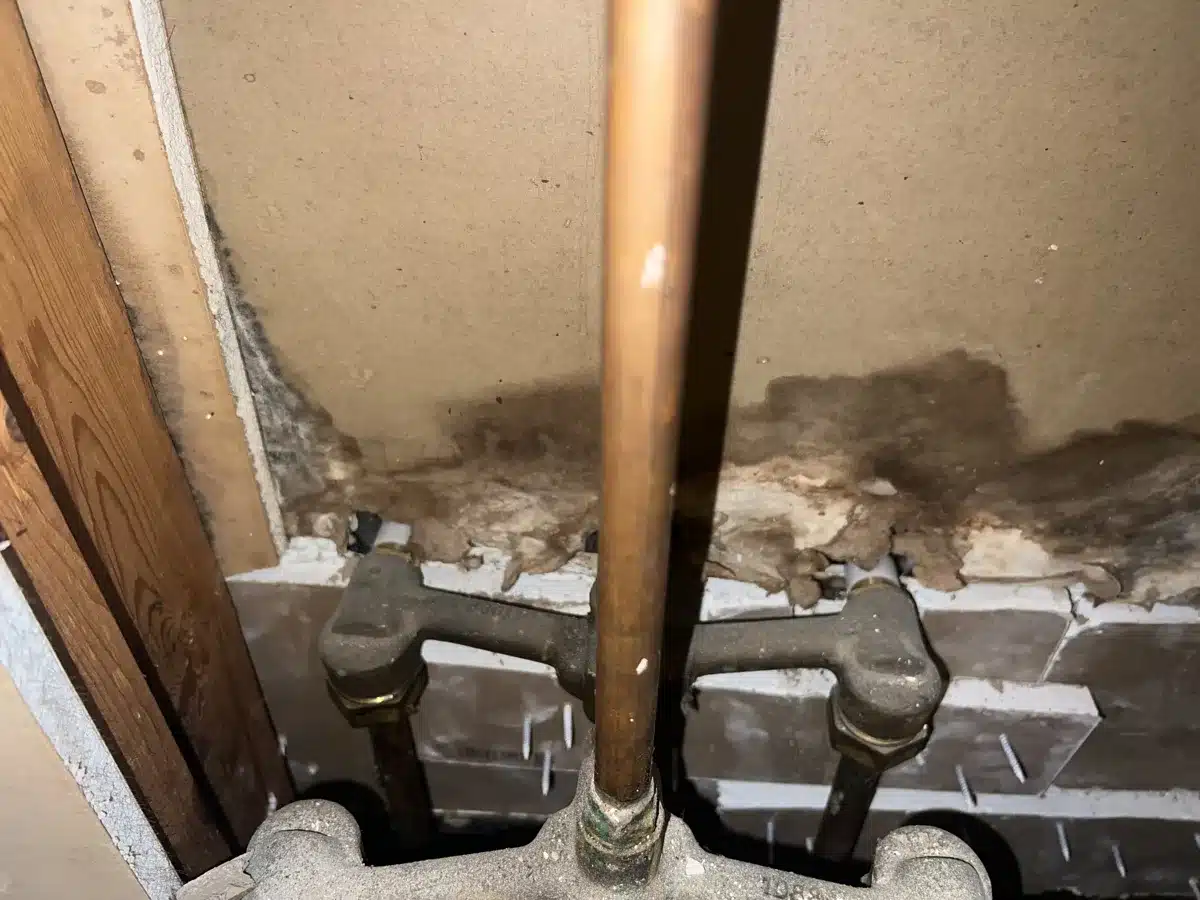
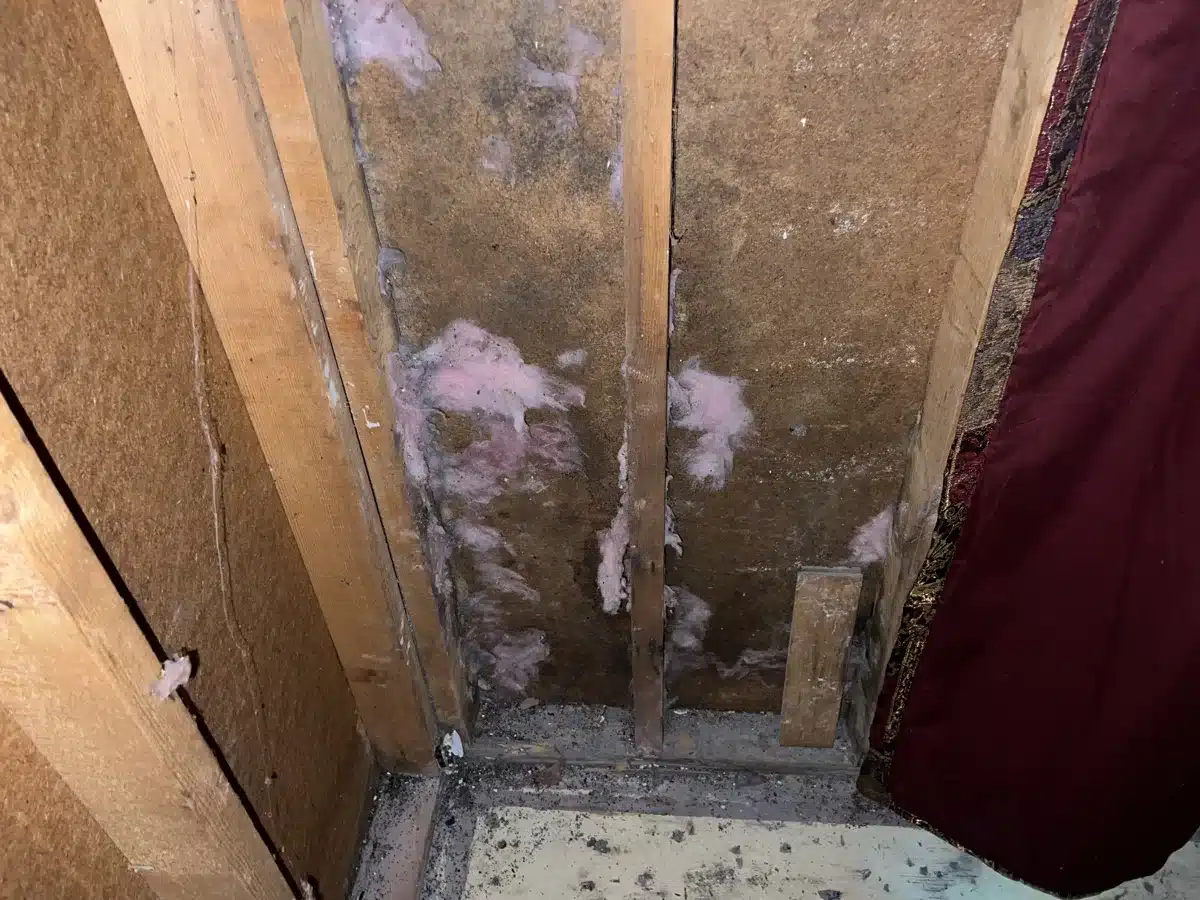
An inspection that finds the mold but not the moisture behind it produces a remediation that fails. We establish both before anything is scoped.

A good mold inspection answers three questions: how far does it go, what's feeding it moisture, and what needs to be done about both. Identifying the species is rarely one of them, and that's where a lot of money gets wasted.
Color identifies nothing. "Black mold" is a popular term, not a diagnosis. More importantly, the removal approach doesn't change by species: any significant growth indoors is removed the same way, so paying to identify the species before remediation usually buys information that changes nothing.
Air sampling has its uses: setting a baseline, investigating symptoms with no visible growth, or documenting a dispute. It also has limits, because spore counts change hour to hour and with outdoor conditions, so one sample is a snapshot, not a verdict. Where testing really earns its cost is afterward: clearance testing proves the work succeeded, and it's what a buyer's inspector will ask for.
A person answers 24/7. We'll find the moisture behind it, not just the mold.
Call nowScrubbing mold or opening a wall without containment releases spores into the air and the HVAC system, turning a contained problem into a whole-house one.
Scrubbing or bleaching it, opening walls or ceilings, and blowing fans across it.
From the obvious spots to the hidden ones.
Found mold? Photograph it, leave it alone and keep the area closed. Scrubbing it or opening a wall without containment spreads spores through the house.
The affected areas plus the places mold hides: under sinks, behind appliances, crawlspaces, attics, around windows.
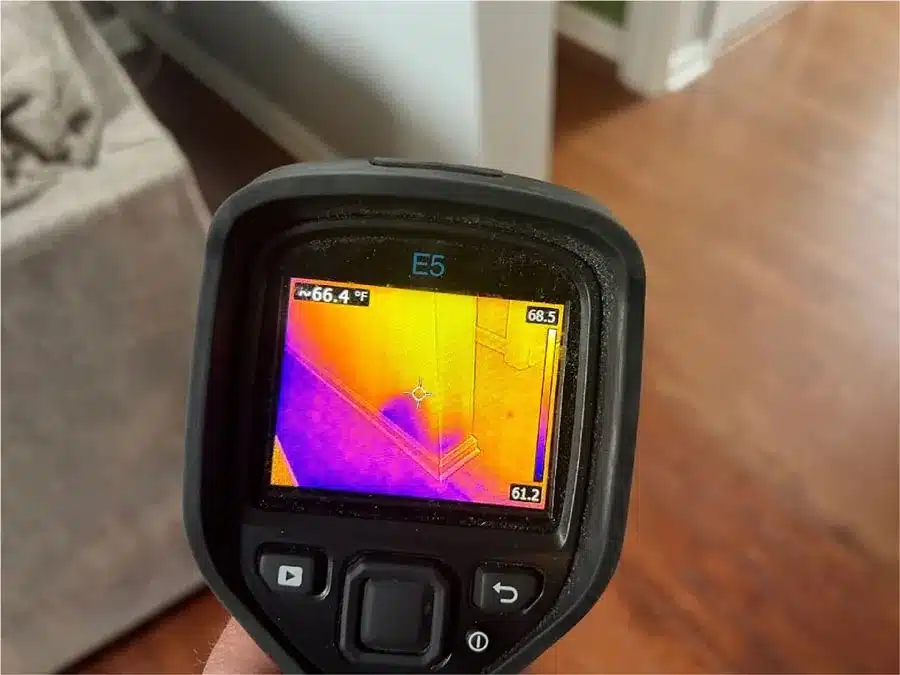
Meters and thermal imaging to find active moisture and trace it back.
The leak, humidity problem or ventilation failure that's feeding it.
How far it has spread, including inside walls and floors.
Extent, source, the recommended scope, and an honest view on whether a claim is likely to succeed.

Scrubbing a visible patch or opening a wall without containment releases spores into the air and the HVAC system, turning a contained problem into a whole-house one.
If you've found mold, photograph it, leave it, and keep the area closed until it's been looked at properly.
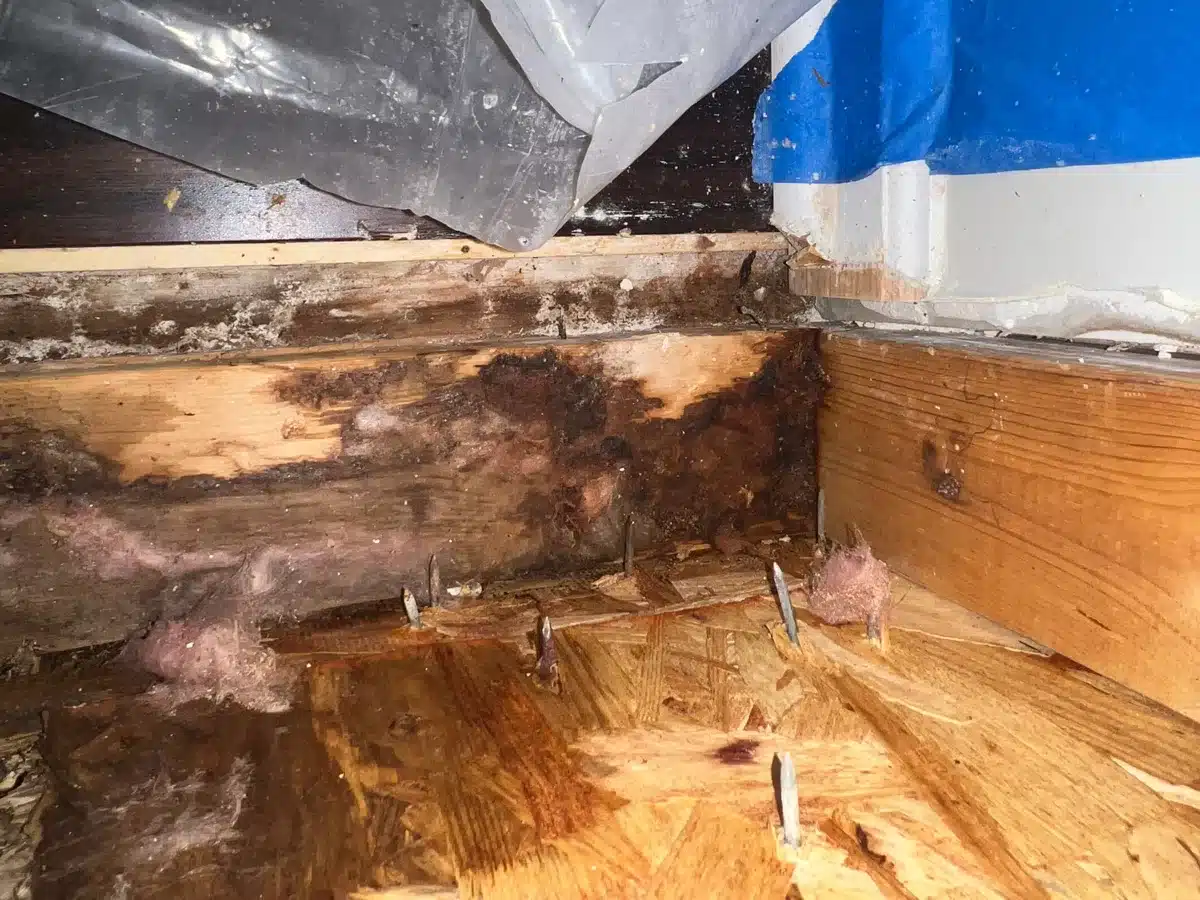
Still not sure? Ask the advisor in the corner, it can look at a photo too, or call and a person will answer.
Inspection first, always. Testing before you know where the moisture is coming from rarely changes what happens next.
Assessment for an active water or mold problem isn't charged. For a standalone inspection with written findings, we'll tell you the cost up front.
Yes, and it's worth it on any home with a history of water problems or an unconditioned crawlspace.
You get written findings saying so, which is often exactly what you needed.
Water, fire, mold or storm — if it's happening now, don't wait on a form. Call and a person will answer.
Second opinions, insurance questions, or damage that can wait until morning — this reaches us either way.