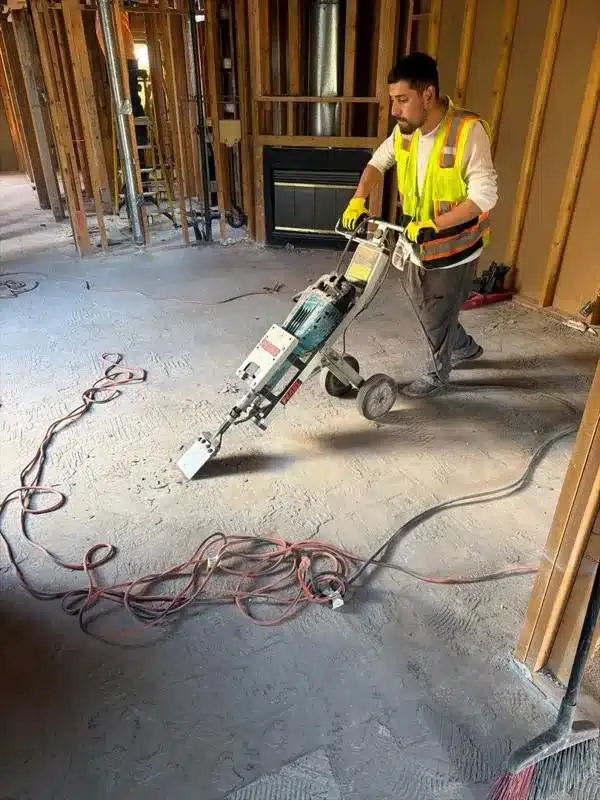
Blackridge crew working in a fire-damaged room
Structural cleaning & odor control

The wrong cleaning method makes it permanent.

The type of soot decides the method. Wipe a synthetic residue with a wet cloth and you drive it into the surface, which is how a cleanable wall becomes a repaint, and a repaint becomes a replacement.

MatchedMethod to residue type
Dry firstWhere the residue needs it
HEPAFiltration throughout
OdorTreated, not masked
Know the residue

Four residues, four methods.

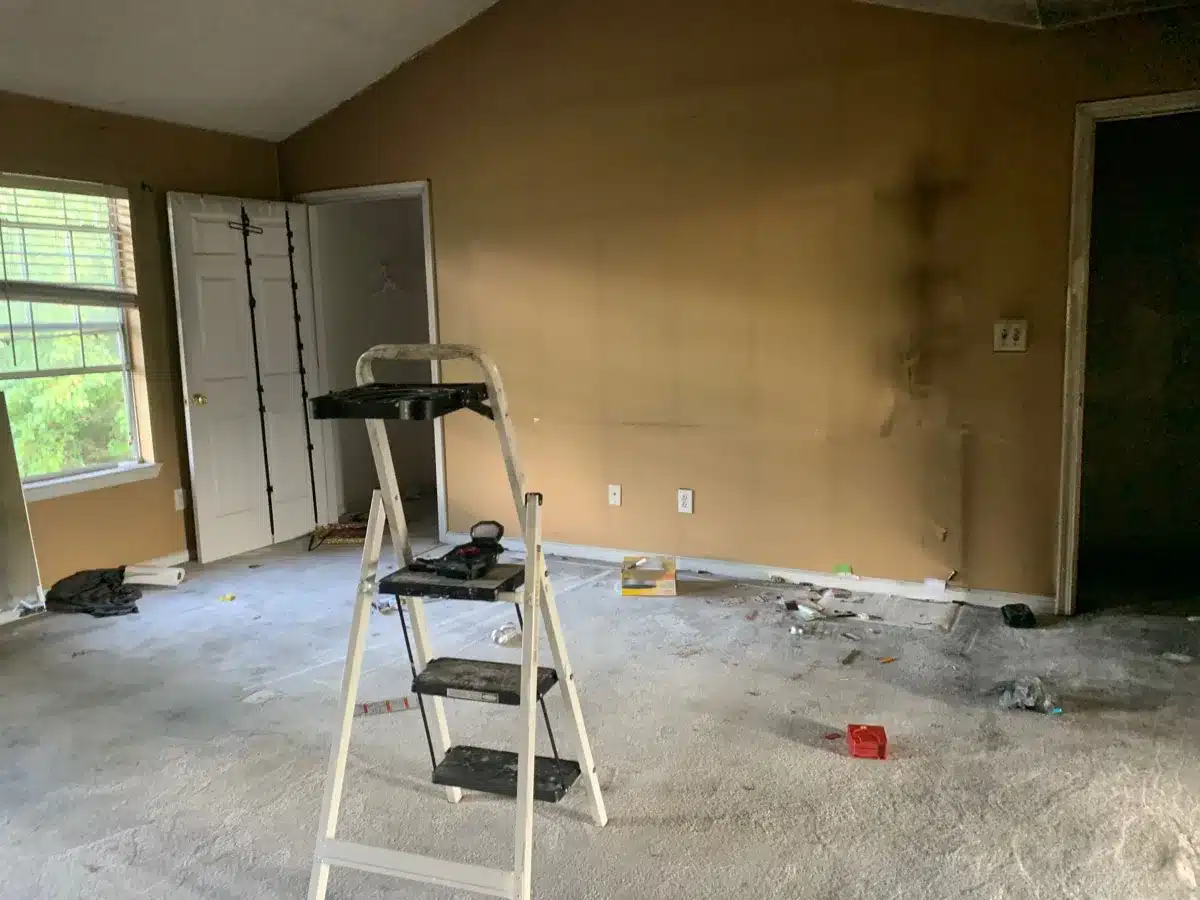
Room with smoke soot streaks on walls and ladder

Dry smoke comes from fast, hot fires in natural materials like paper and wood. The residue is powdery and sits on the surface. It vacuums and dry-sponges off cleanly, and wetting it first is the mistake, because water turns powder into smear. Wet smoke comes from slow, smoldering fires in synthetics like plastic, foam and upholstery. It's thick, black, sticky and smells strong, and it spreads under pressure. It's the residue most often made worse by well-meaning first attempts.

Protein residue from cooking fires is nearly invisible: a thin amber film on everything, with a smell out of all proportion to what you can see. People routinely underestimate it because the kitchen looks almost normal. It needs degreasers, and it gets into everything the air reached.

Fuel oil soot from a furnace puff-back is heavy and greasy, and it spreads through the entire duct system in minutes. Cleaning the visible room does nothing if the ducts are still loaded. Identifying which one you have is the first job, and it's why we don't quote fire cleaning over the phone.
Before we arrive

What to do after the fire is out.

Haven't called yet?(470) 201-2929

A person answers 24/7. Call first, then work down the list.

Call now
Soot and the structure

Soot irritates the lungs, and a fire-damaged structure may not be sound. Only go back in once the fire department has released the property.

Your checklistAfter the all-clear
Leave these to us

Wiping soot off walls or furniture, switching on electronics that got sooty or wet, and any cleaning before the residue is identified.

Cleaning sequence

How the cleaning is done.

Dry before wet, source before smell.

Good to know

Please don't start cleaning yourself. The wrong method on the wrong residue sets the damage permanently, and the surface you scrub is the one that then needs replacing.

  1. 01
    Identify the residue

    What burned, which sets the method for every surface.

  2. 02
    HEPA vacuum and dry clean

    Loose residue removed before anything wet is used.

  3. 03
    Wet cleaning where it fits

    Solvents or degreasers matched to the residue and the surface.

  4. 04
    Sealing where needed

    Surfaces that can't be fully cleaned are sealed before refinishing.

  5. 05
    Odor treatment

    Thermal fogging or hydroxyl treatment that removes the source instead of covering it.

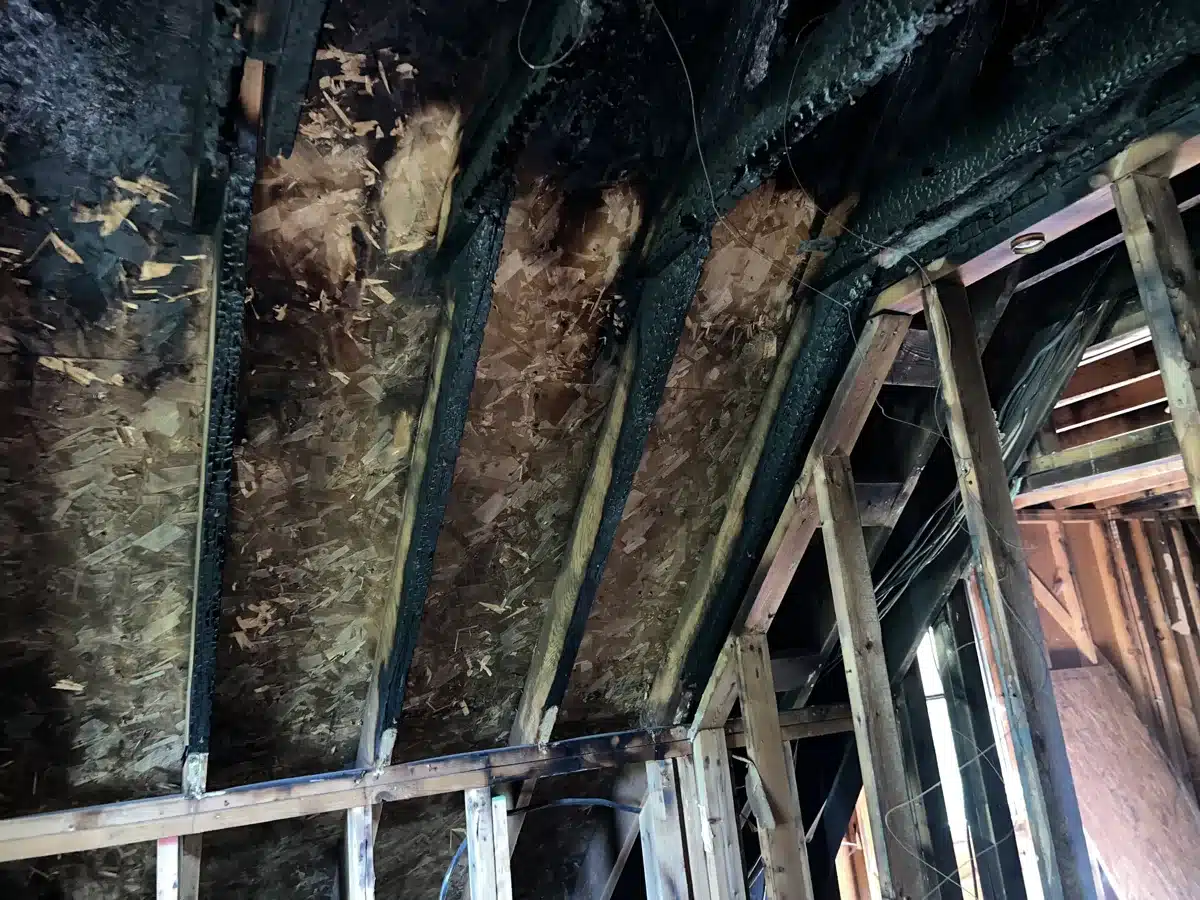
Charred roof rafters and sheathing after fire damage
Smoke travels

Smoke goes where air goes.

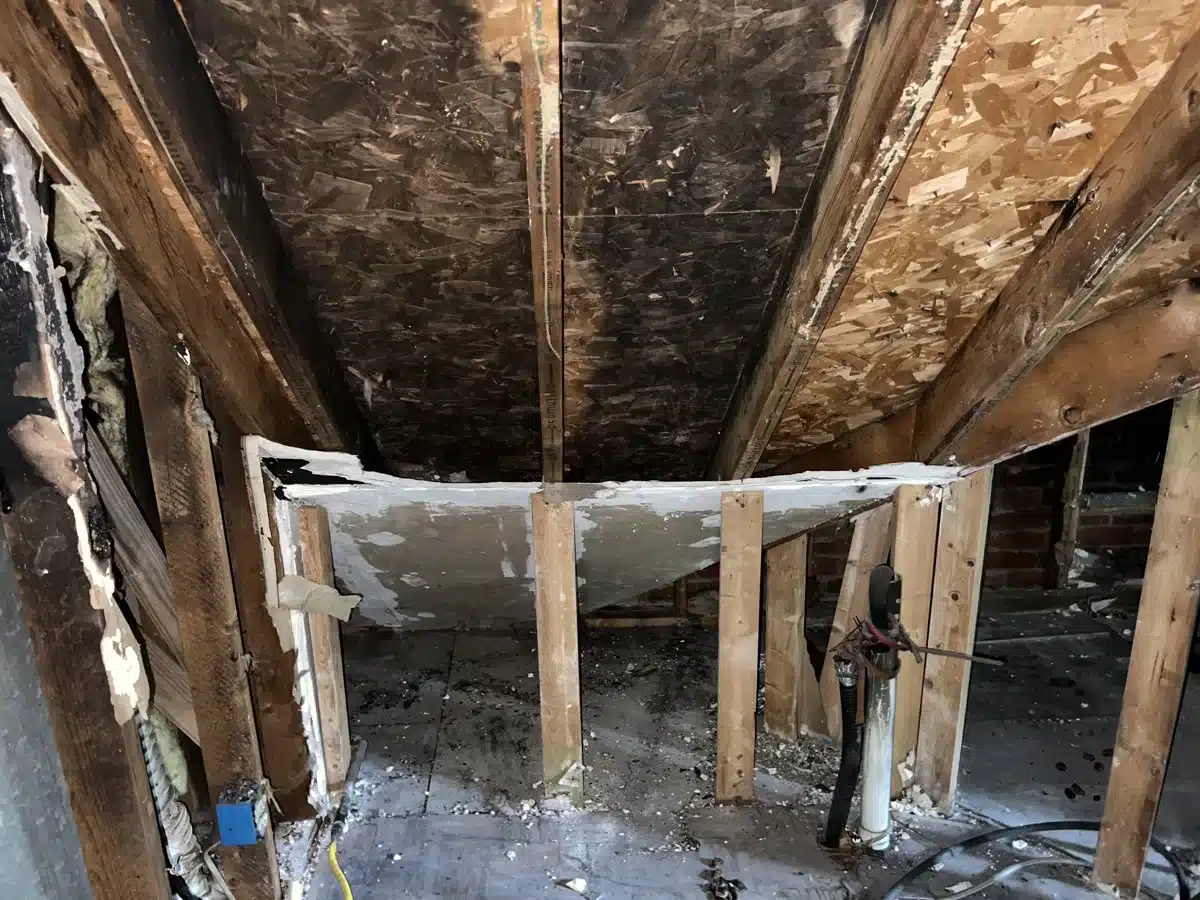
Soot follows airflow into wall cavities, up through ceiling openings and straight into the return ducts. Rooms with no fire damage often need cleaning.

Skip the HVAC system, and the first time the air handler runs it spreads residue across a freshly cleaned house.
Questions

Fire & Smoke Cleanup questions, answered straight.

Still not sure? Ask the advisor in the corner, it can look at a photo too, or call and a person will answer.

Can I start cleaning myself?

Please don't. The wrong method on the wrong residue sets the damage permanently.

Do the ducts need cleaning?

Almost always after a significant fire, and always after a furnace puff-back.

Why does it smell worse on humid days?

Moisture reactivates residue in porous materials. A smell that comes back in summer means untreated residue somewhere.

Can everything be cleaned?

Most hard surfaces, yes. Heavily soot-soaked porous materials are often cheaper to replace than clean, and we scope that honestly.

IICRC certified · water mitigationLicensed & insured in Georgia24/7 live answer4.5 on Google · 203 reviews

24/7 emergency restoration across Alpharetta and Greater Atlanta.

Water, fire, mold or storm — if it's happening now, don't wait on a form. Call and a person will answer.

Call now(470) 201-2929
It all starts with a call

Let's restore what matters most.

Second opinions, insurance questions, or damage that can wait until morning — this reaches us either way.

A person answers, 24 hours a day, every day of the year
We contact your insurer directly and send you a written quote
No charge for the initial assessment
Local crews based in Alpharetta
Faster — call us(470) 201-2929

Request a callback

We'll ring you back within the hour during the day, first thing if it's overnight.

Or text a photo to (470) 201-2929Active emergency? Don't wait for the callback — call now.