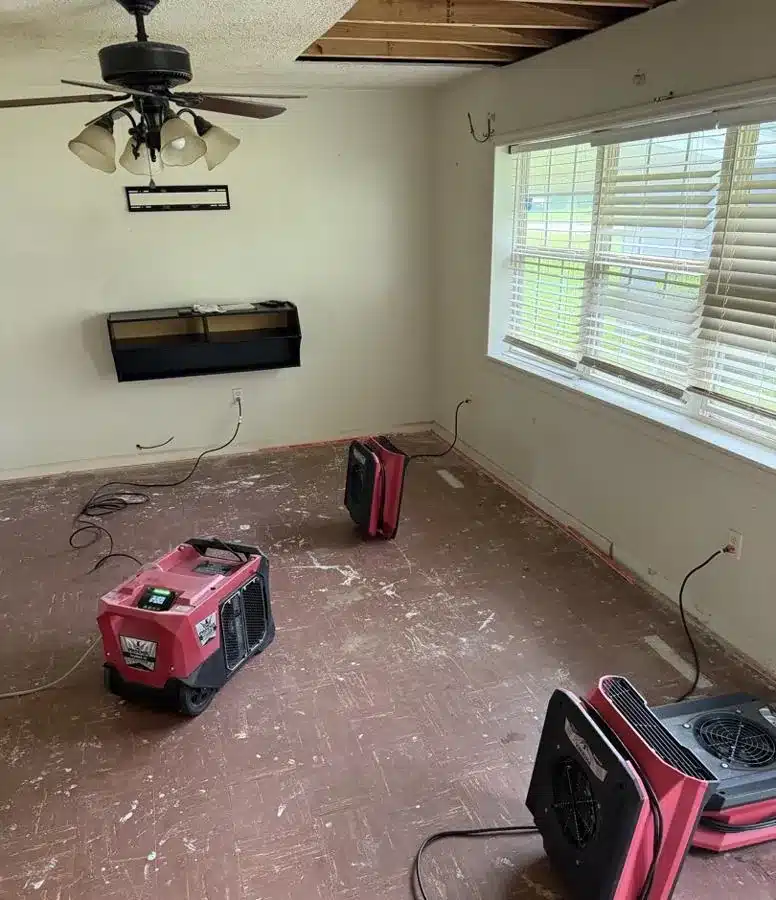
Every gallon removed now never has to be dried.
Extraction is the cheapest, fastest stage of a water loss. Whatever gets left behind has to be dried out of your floors and walls instead, which takes days rather than hours.
Why extraction is where the money is saved.
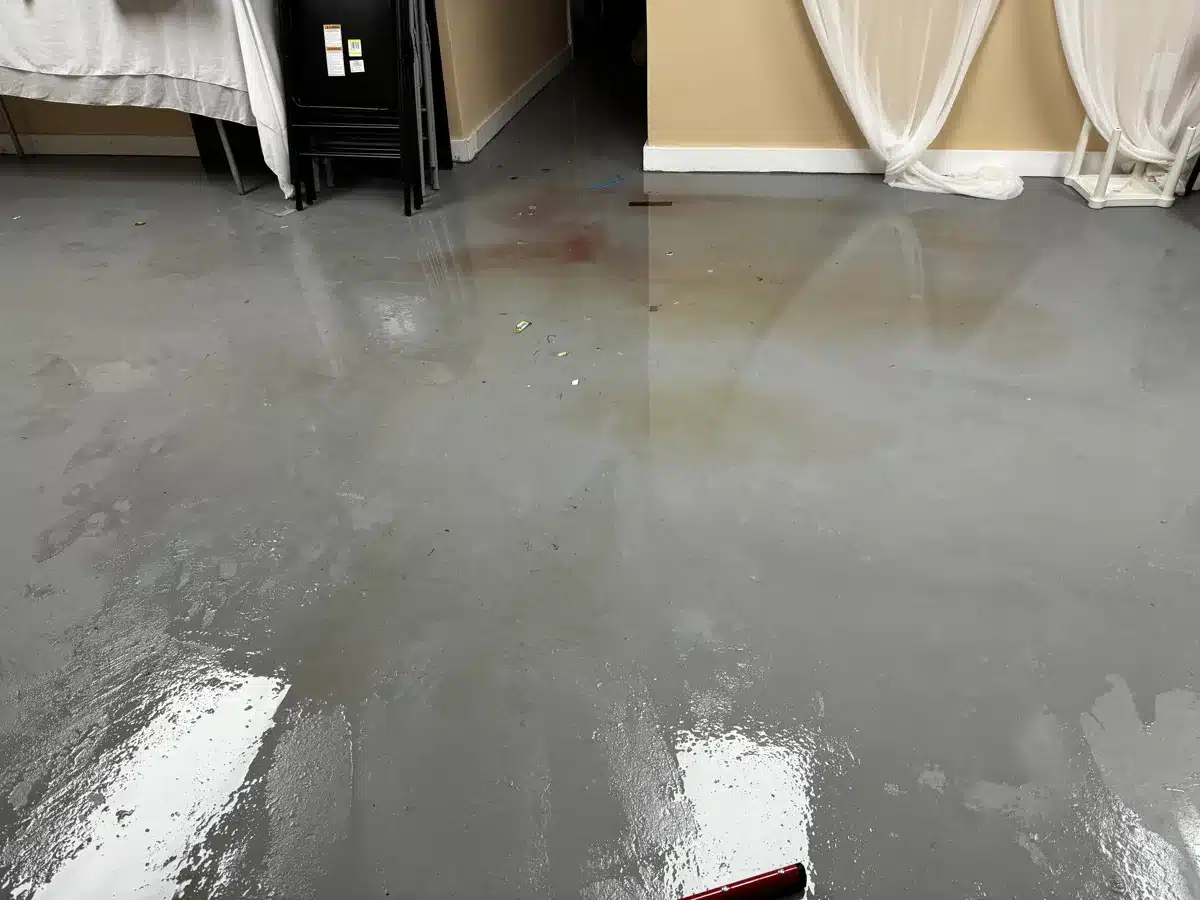
There are two ways to get water out of a building: remove it as a liquid, or evaporate it and pull the vapor out of the air. The first is many times faster and cheaper. Extraction pulls out the bulk in hours. Drying then handles what soaked into materials, and that's measured in days of equipment, power and monitoring.
So a thorough extraction shortens the entire job. A poor one doesn't just leave water behind. It stretches every stage after it, raises the drying cost and increases the chance something stays damp long enough to grow mold.
Most of the water isn't on the surface. Carpet pad holds many times its own weight, and once it's saturated a surface wand won't touch it, which is why we use extraction tools that press down through the carpet and pad. Water also runs under baseboards into walls and along subfloor seams, none of it visible from the doorway. Where it went is found with moisture mapping, not by looking.
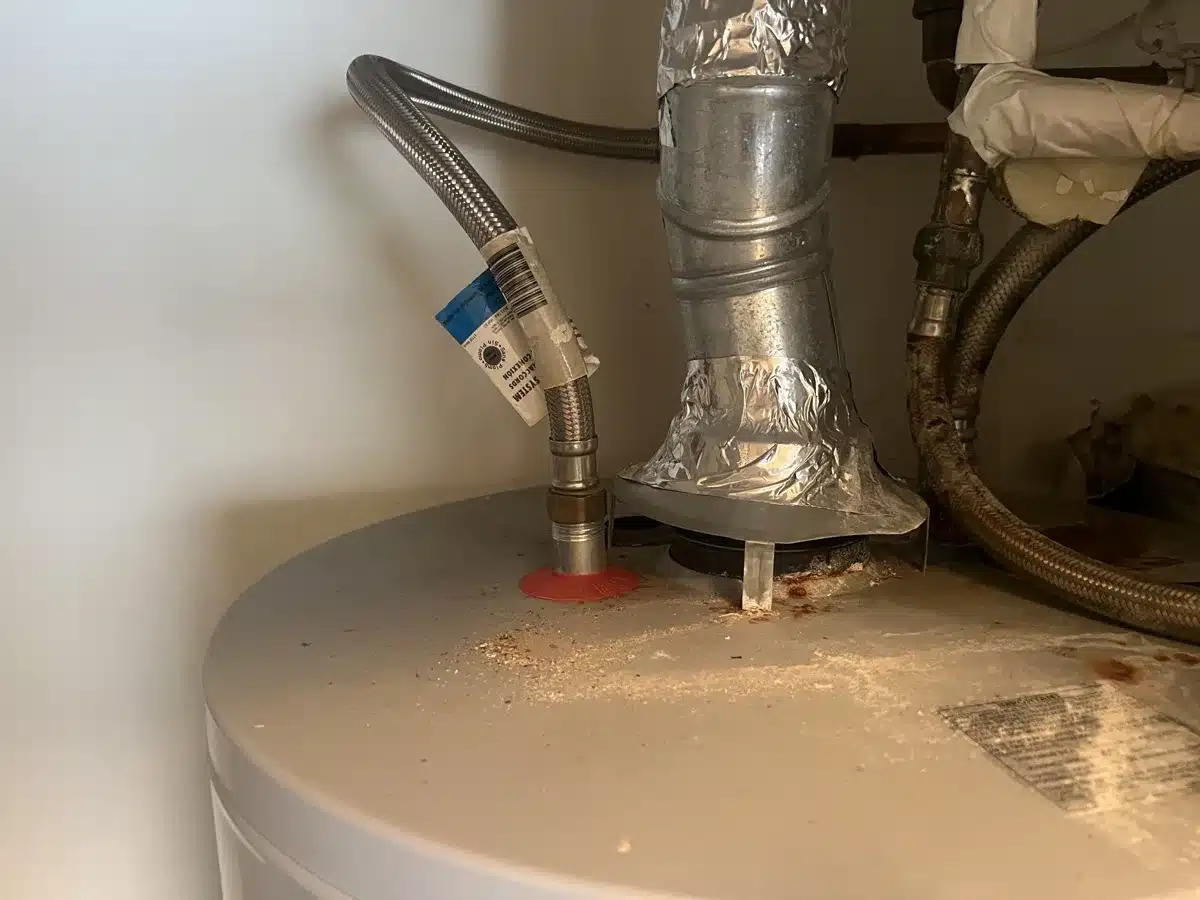
Hard floors hide it underneath.
Tile and engineered flooring can look dry while the subfloor beneath is soaked, because the surface sheds water the subfloor has already absorbed.
Meter readings through the floor tell us whether it can be dried in place or has to come up. That decision is worth getting right: flooring is usually the biggest line item on the estimate.
More water damage services.
 Emergency Water ServicesIf water is moving through your property right now, the next hour matters more than any decision you make this week.
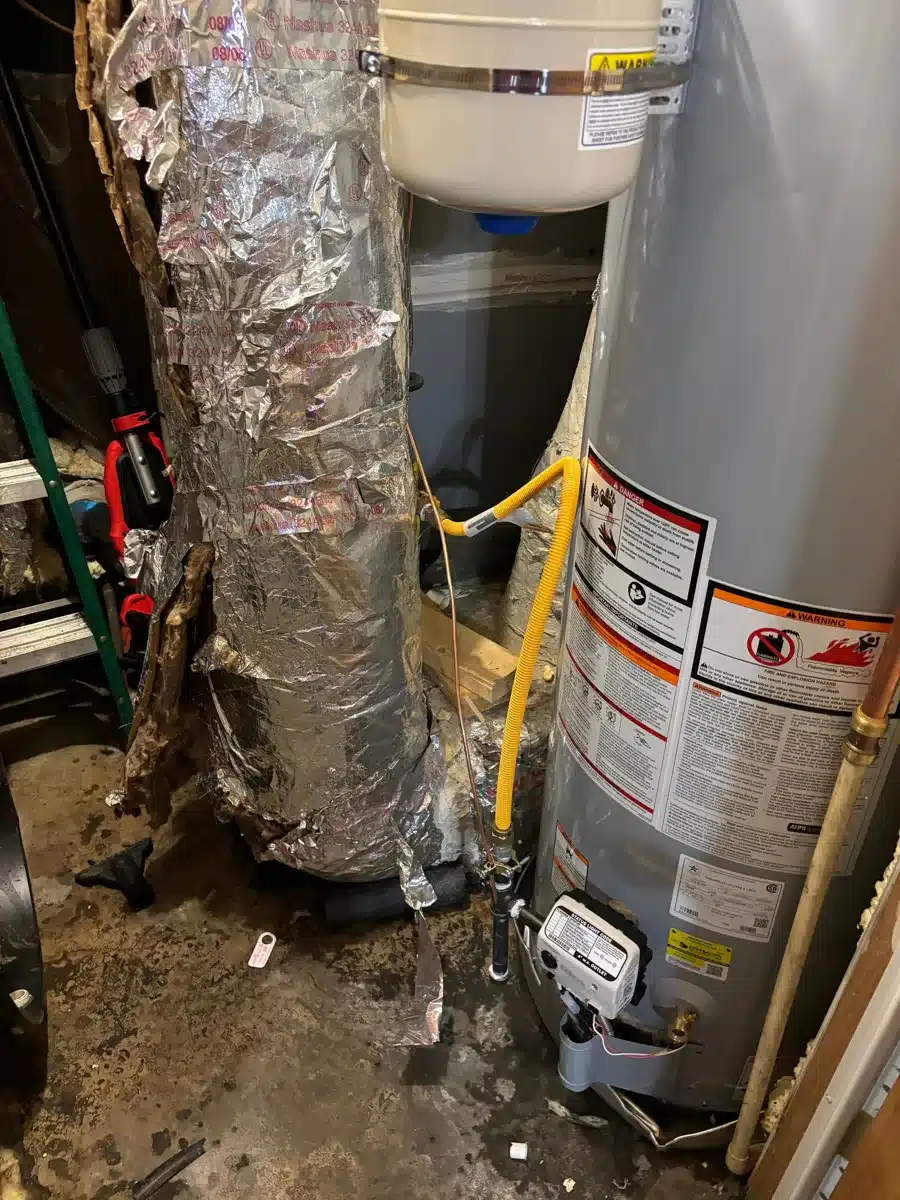 Structural DryingFraming, subfloor and drywall hold water long after the surface feels dry.
 DehumidificationWithout dehumidification, evaporated water just condenses somewhere cooler, usually inside a wall.
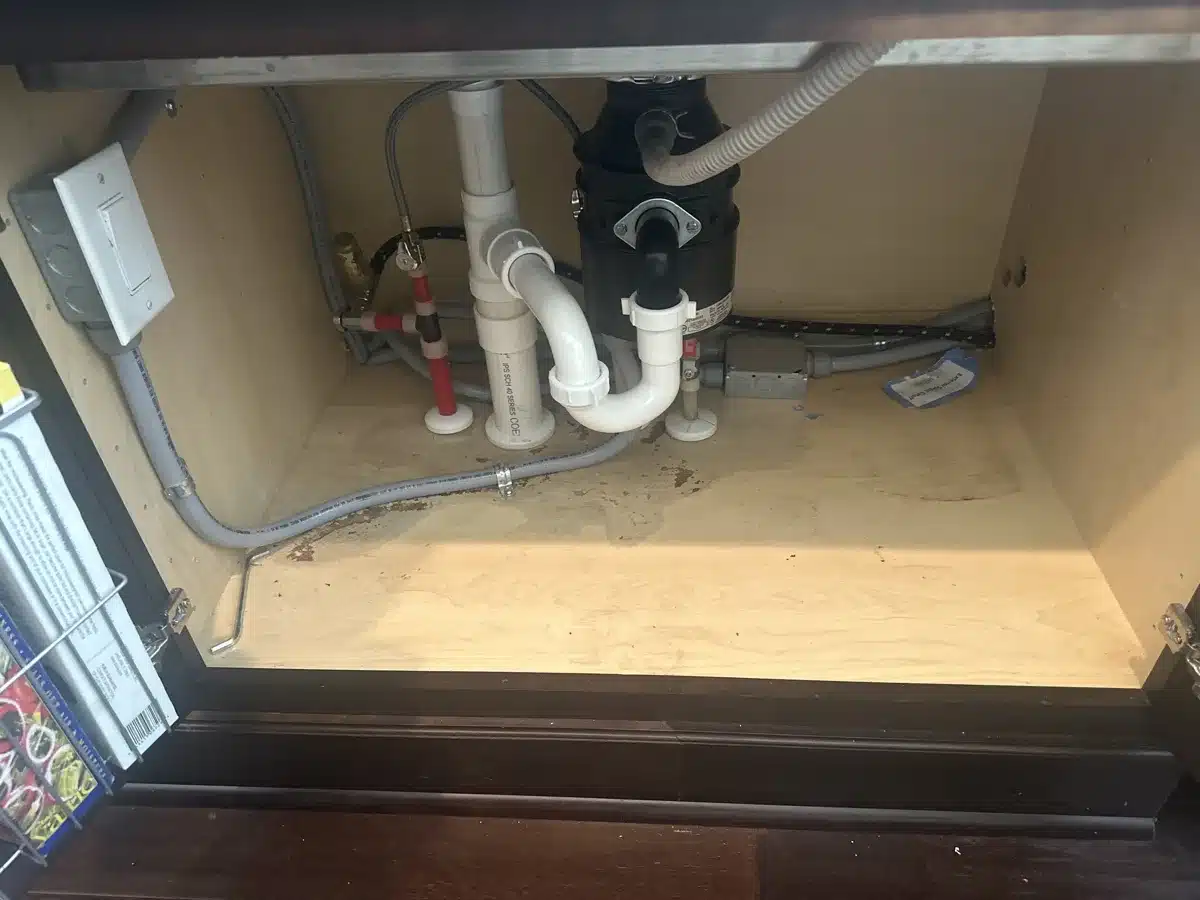 Thermal Imaging & Moisture InspectionInfrared shows where moisture has traveled without tearing anything out.
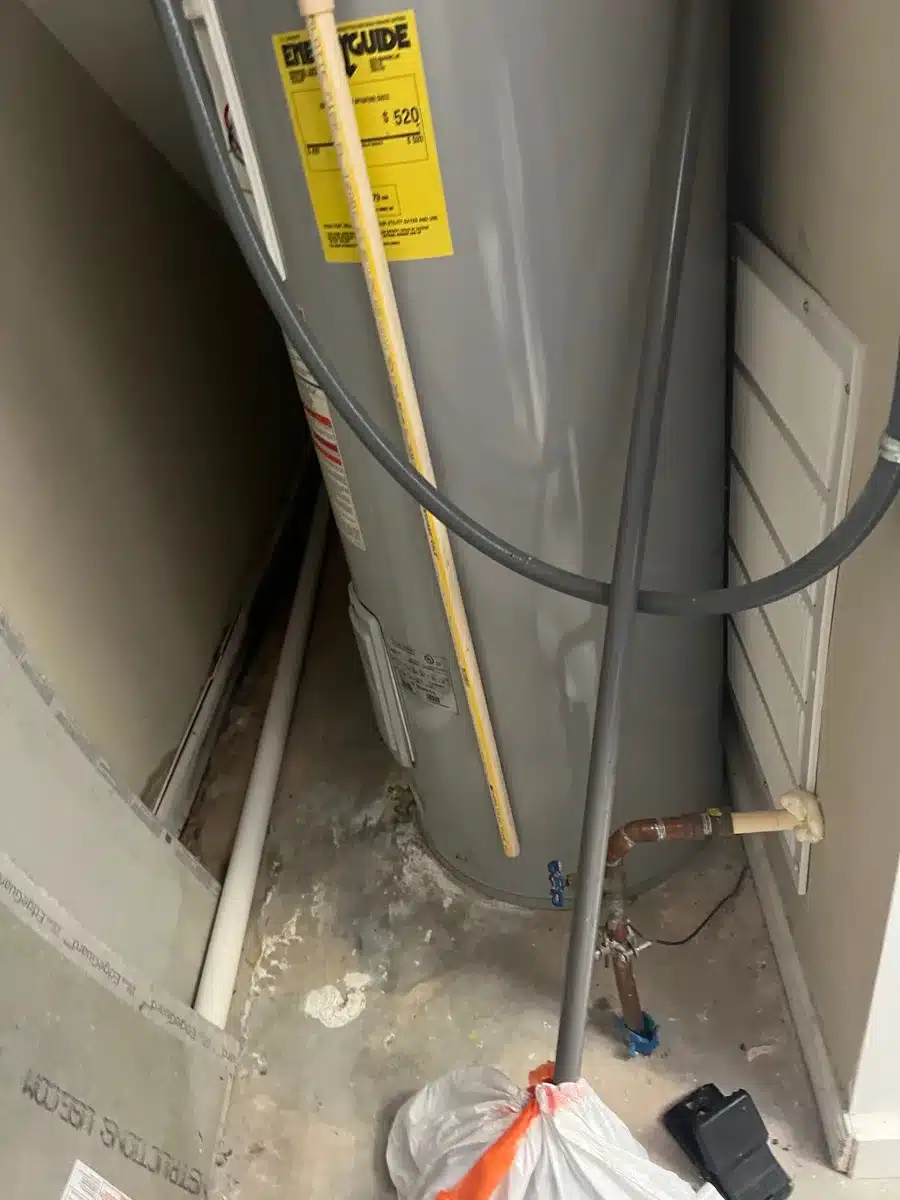 Disinfection & Antimicrobial TreatmentWater that came through an appliance, a drain or a flooded yard leaves more behind than moisture.
 Water Damage overviewHow we handle water damage from the first call to the rebuild.