Drying it isn't the same as making it safe.
Water that came through an appliance, a drain or a flooded yard leaves more behind than moisture. Where gray or black water has touched materials, treatment is part of the job, not an upsell.
The three types of water, and why they change the whole job.
Category 1 is clean water from a sanitary source, like a supply line or water heater feed. It's safe to touch, and most materials can be dried in place.
Category 2, gray water, carries contamination that can make people sick: dishwasher and washing machine discharge, toilet overflow without solids, aquarium water. It needs treatment, and some porous materials won't be saved. Category 3, black water, is grossly contaminated: sewage, rising floodwater, anything that came through soil or a drain line. Porous materials that absorbed it, like carpet, pad, insulation and drywall, come out rather than being treated.
The categories aren't fixed. Clean water sitting warm for a day or two becomes category 2, and category 2 left long enough becomes category 3. A supply-line break found a week later isn't a clean-water loss anymore, however it started, and the scope, the protective gear and the claim all change with it.
The protective gear is a clue about the water.
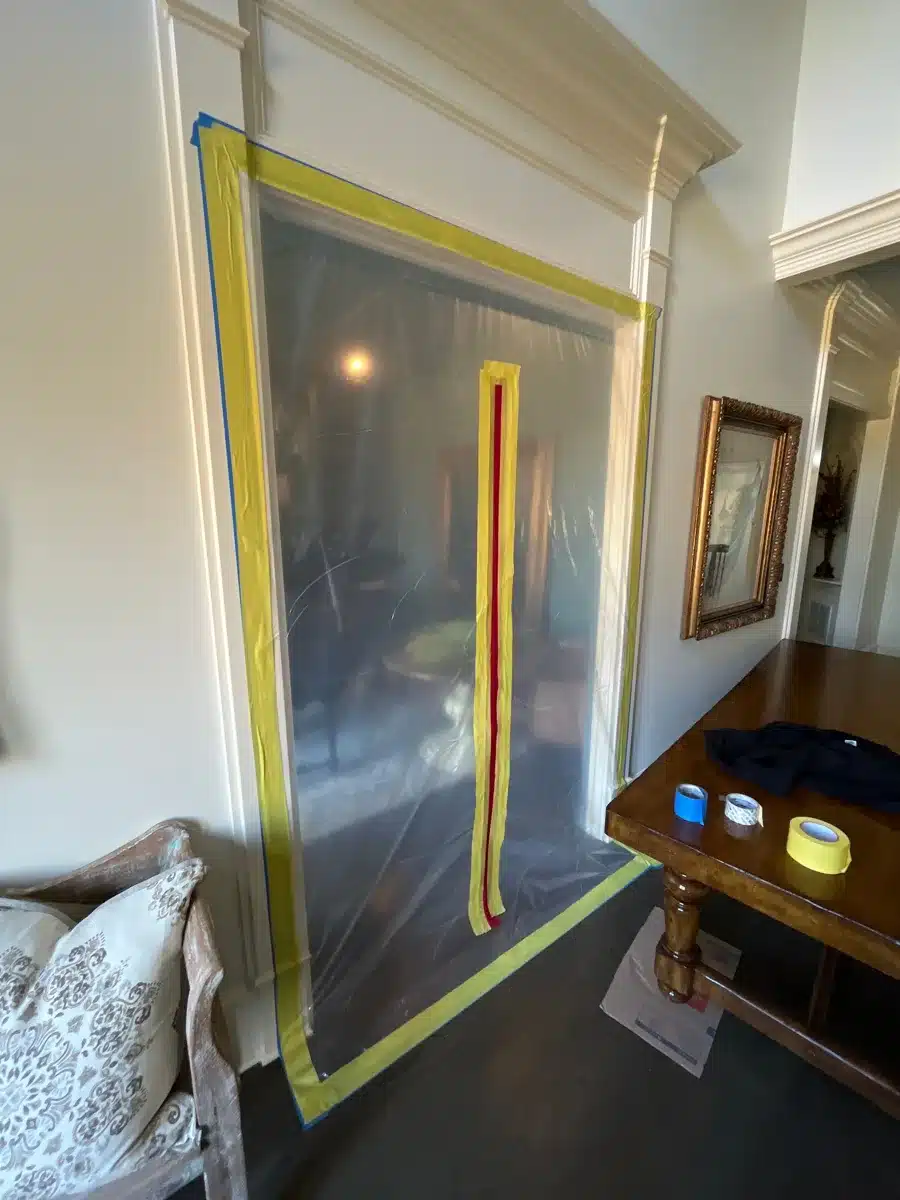
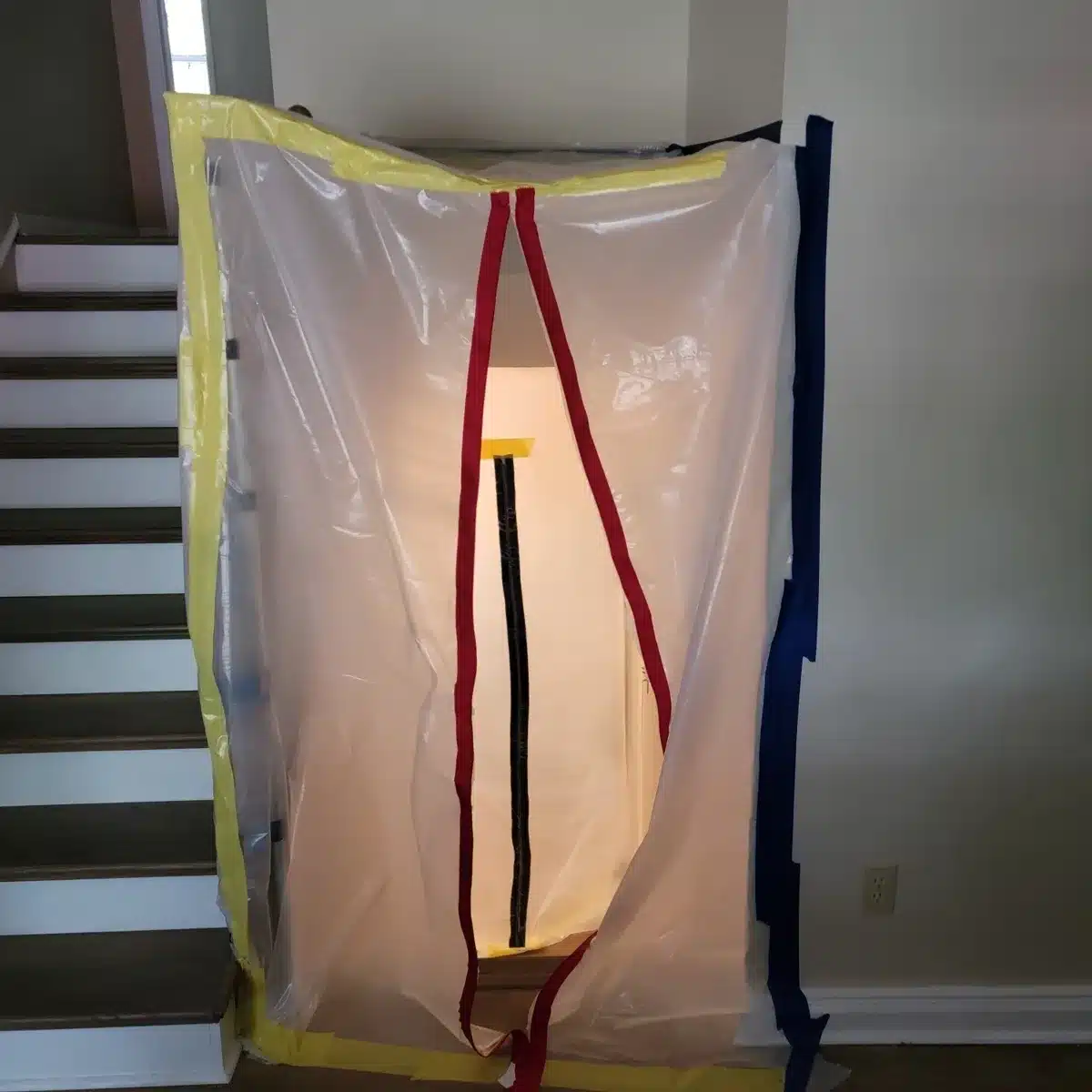
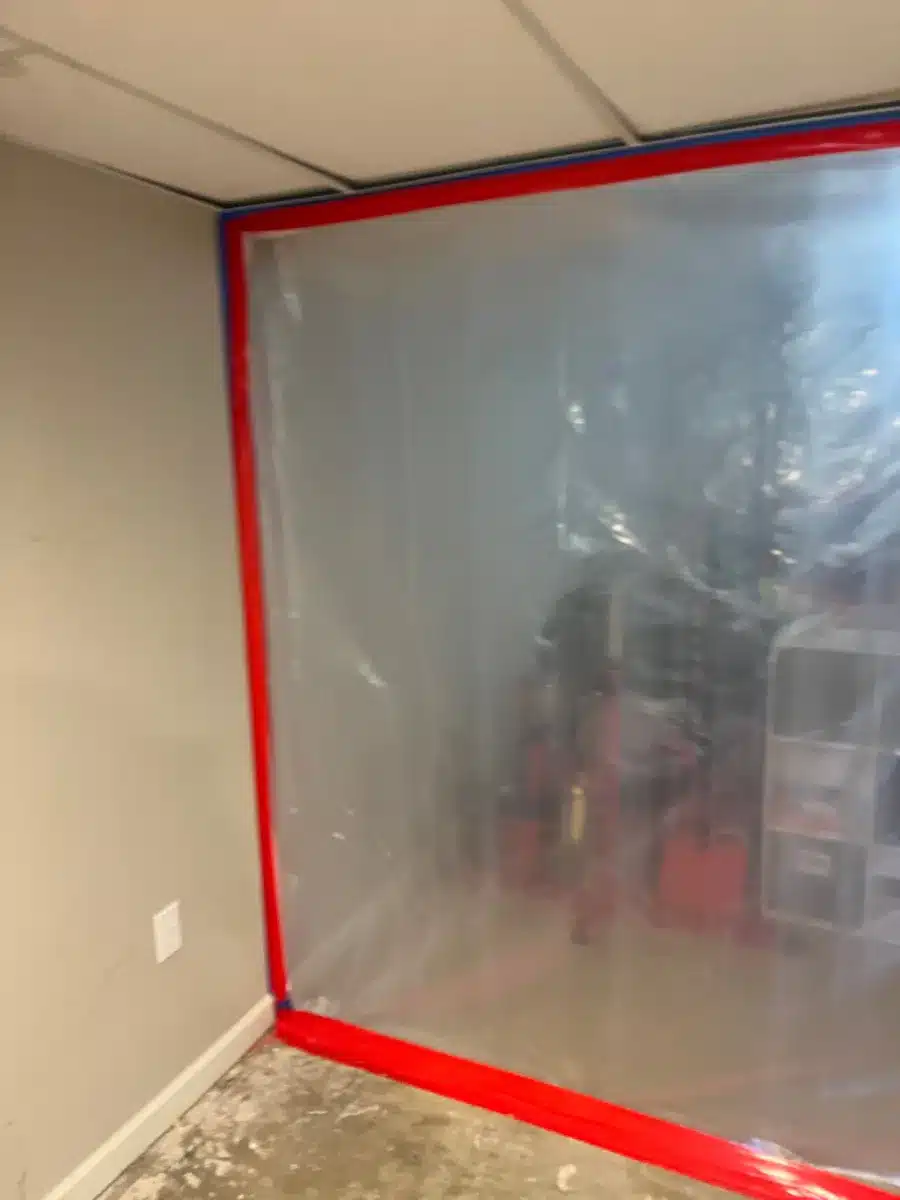
If a crew is working a contaminated loss without respiratory protection and containment, the water category has been judged wrong, or not judged at all.
The equipment we arrive in reflects what the water actually is, and it's written into your file.
More water damage services.
 Emergency Water ServicesIf water is moving through your property right now, the next hour matters more than any decision you make this week.
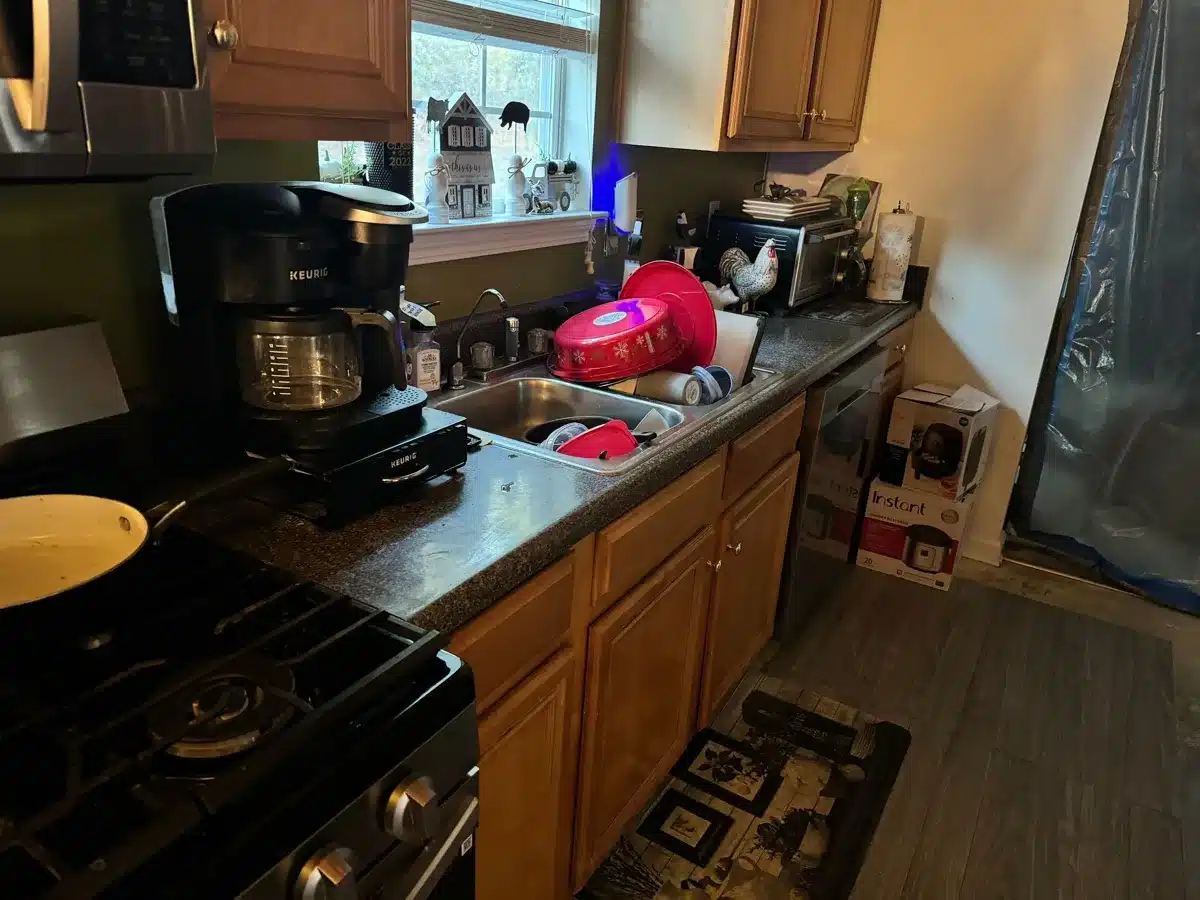 Water Removal & ExtractionExtraction is the cheapest, fastest stage of a water loss.
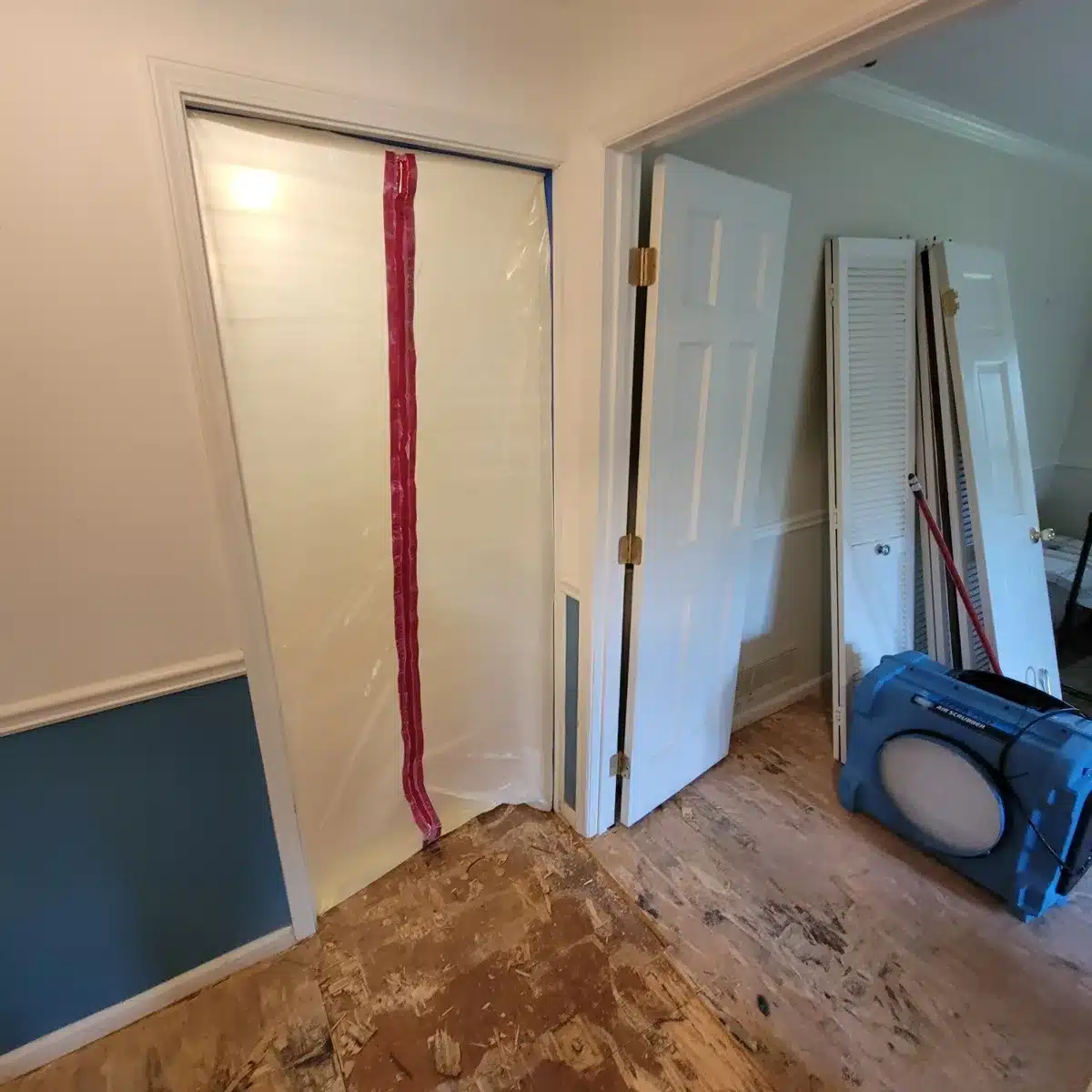 Structural DryingFraming, subfloor and drywall hold water long after the surface feels dry.
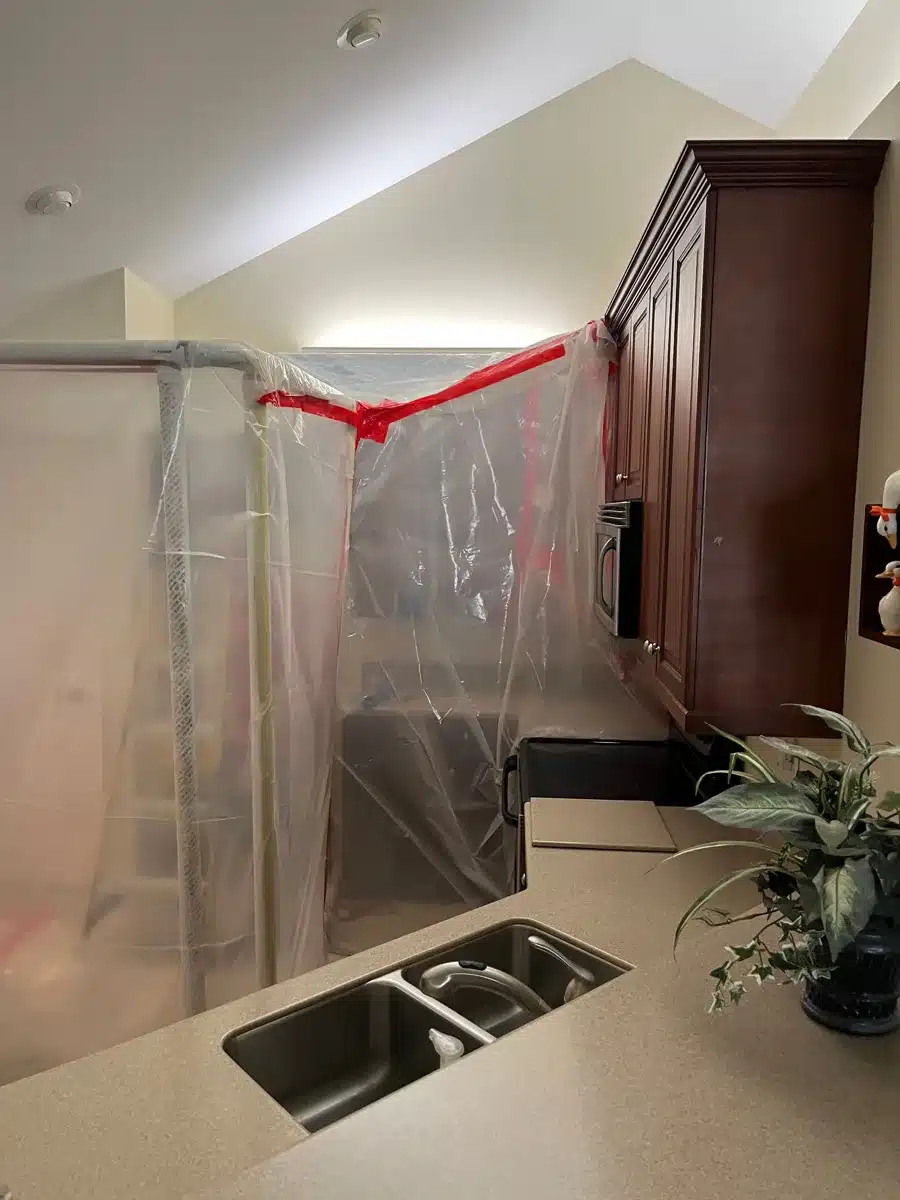 DehumidificationWithout dehumidification, evaporated water just condenses somewhere cooler, usually inside a wall.
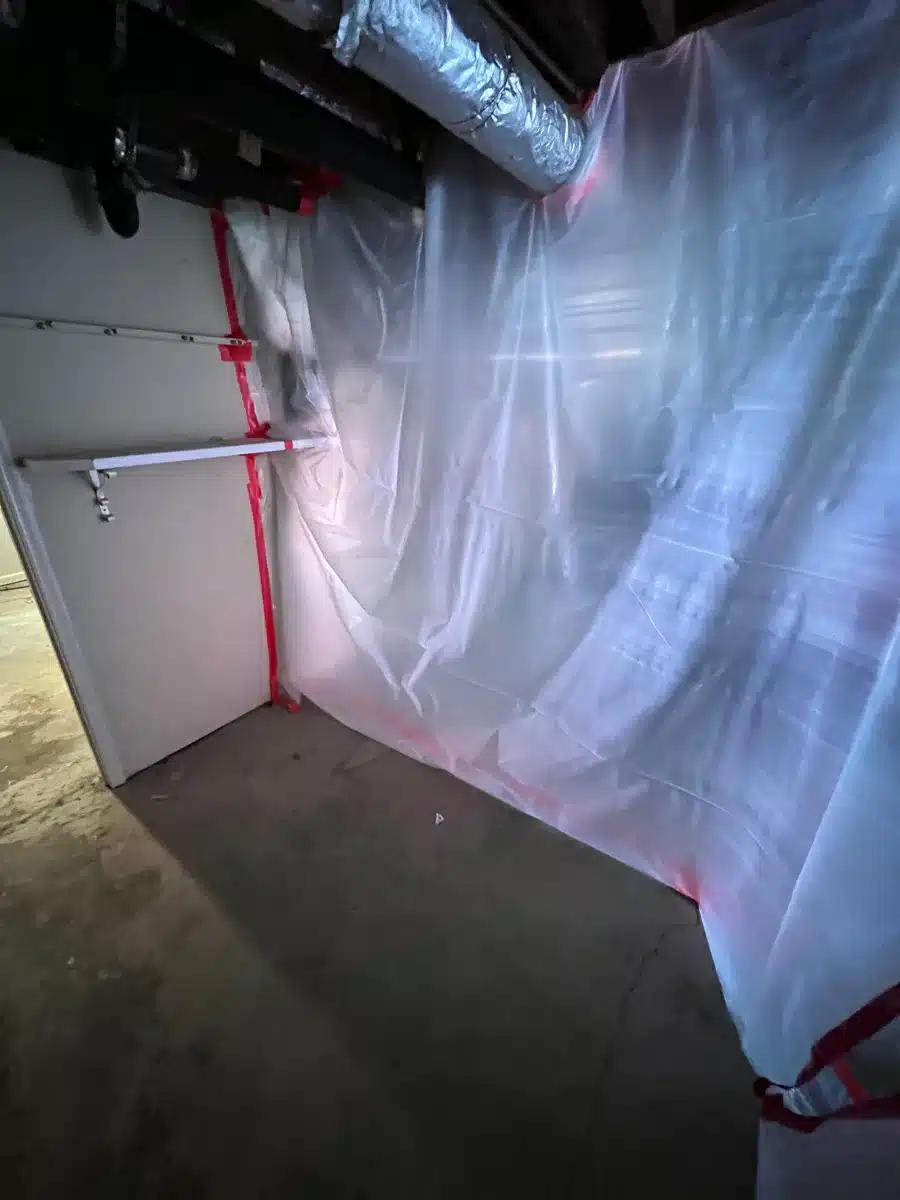 Thermal Imaging & Moisture InspectionInfrared shows where moisture has traveled without tearing anything out.
 Water Damage overviewHow we handle water damage from the first call to the rebuild.