A house fire leaves more than char and ash. Smoke travels fast, soot is corrosive, and water from hoses adds a second layer of damage. The decisions you make in the first 24 hours shape how well your home recovers and how clean your insurance file looks. Here is what the process looks like and how we work through it with you.

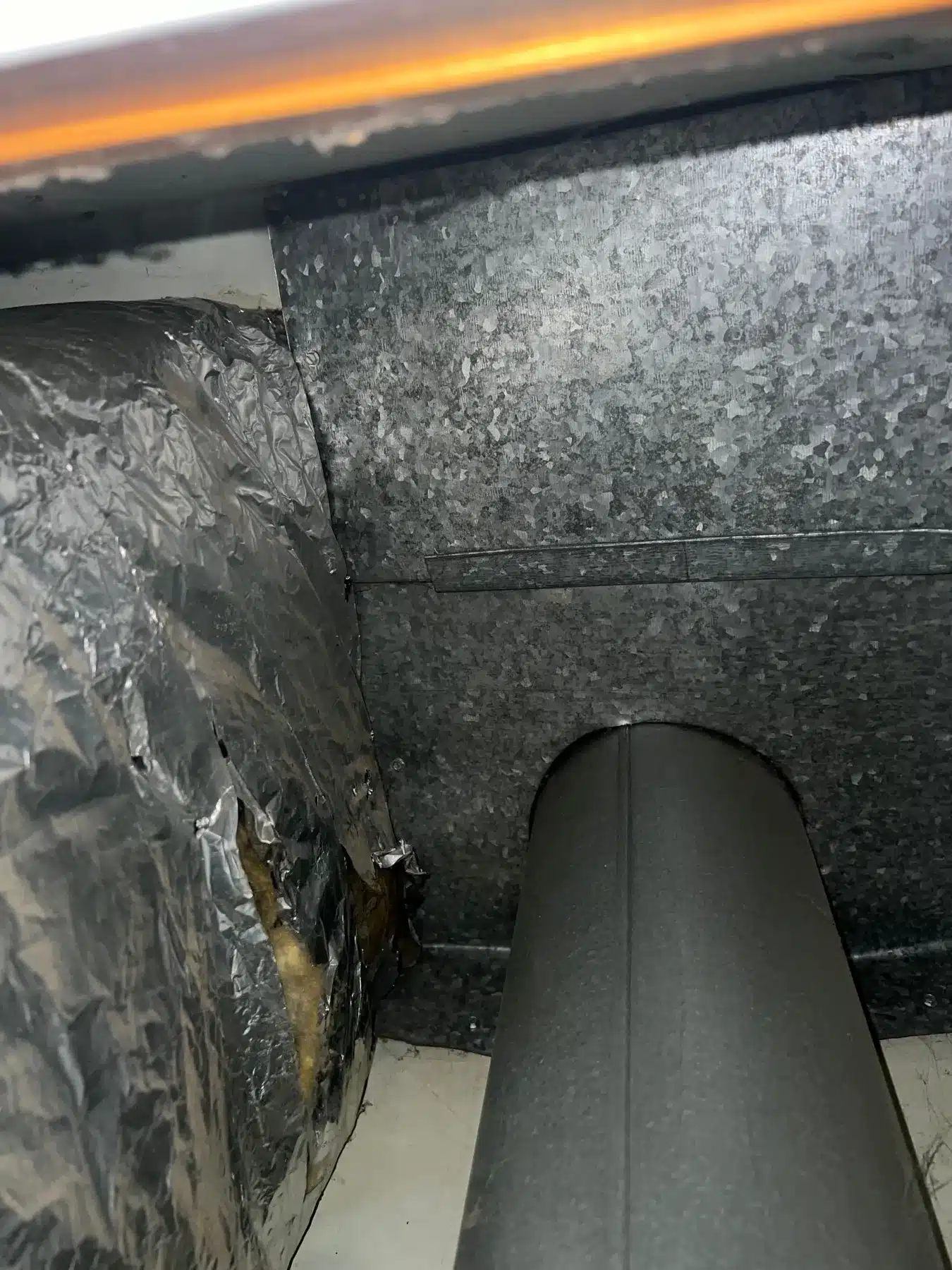
Soot follows airflow into wall cavities, up through ceiling openings and straight into the return ducts. Rooms with no fire damage often need cleaning.
Skip the HVAC system, and the first time the air handler runs it spreads residue across a freshly cleaned house.
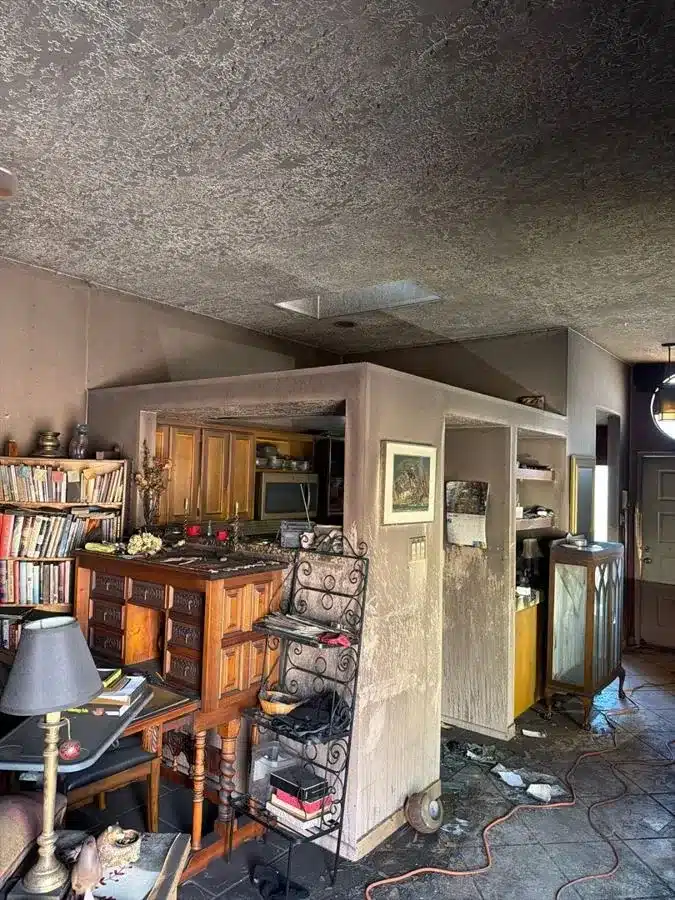
Fire damage restoration in Alpharetta starts the moment the fire trucks leave. Your home may still be standing, but it is not safe to walk back in without a professional assessment. Smoke travels through ductwork and wall cavities. Soot settles on every surface it reaches, and it starts corroding metal, discoloring walls, and embedding itself in fabric within hours. Meanwhile, the water used to put the fire out is sitting in floors, insulation, and wall assemblies.
We document before we touch anything. That means timestamped photos of every affected area, moisture readings in floors and walls, and a written account of what we find. Your insurance adjuster will need this record. A claim file built on solid documentation holds up. One built on memory and good intentions often does not. We get this process started the same day you call, because every hour matters when smoke and moisture are both active.
Tap a stage to read exactly what happens and why.
Before restoration work begins, we secure the property. Board-up covers broken windows, damaged doors, and any opening left by fire or firefighting activity. This protects against weather, unauthorized entry, and further damage to contents still inside. Your adjuster will want to see that the property was protected promptly — we document the board-up with photos and timestamps.
Containment comes next when the fire is isolated to one section of the home. We use physical barriers to keep soot and smoke odor from spreading further into unaffected areas during the restoration process. This is the same containment approach used in mold remediation — it keeps the work area isolated so the rest of your home stays clean. If your HVAC system ran during or after the fire, we assess the ductwork separately, because smoke particles move freely through air handling systems and contaminate rooms that never saw visible damage.
Visible char is the part of fire damage most people expect. The soot and smoke odor are the part that takes the most labor. Soot is not just dirty — it is acidic. Left on surfaces, it permanently etches metal fixtures, yellows paint, and degrades fabric. We use dry chemical sponges, wet cleaning agents, and where needed, media blasting to clean structural surfaces. The process is methodical: ceiling first, then walls, then floors, room by room.
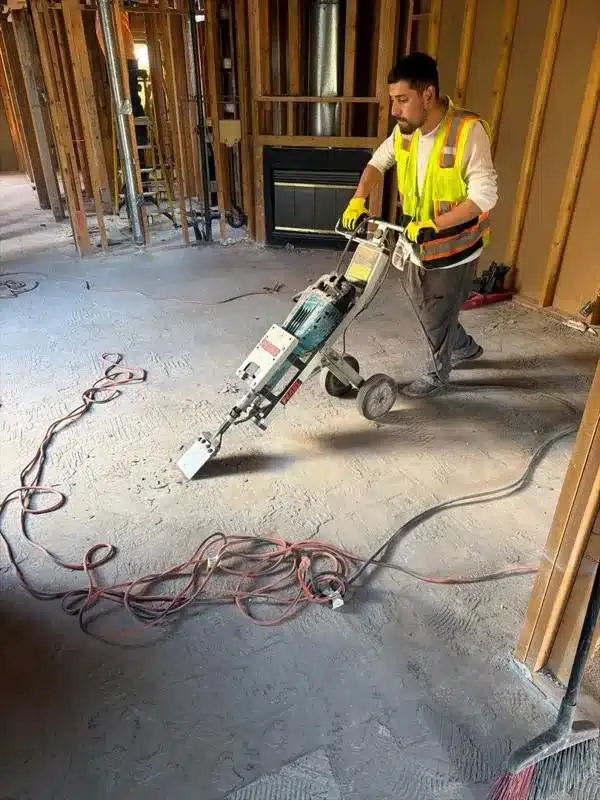
Odor removal goes deeper than cleaning visible surfaces. Smoke particles embed in drywall, insulation, wood framing, and soft contents. We use thermal fogging and hydroxyl generation to reach the same places smoke reached. Some materials — heavily saturated drywall, insulation, carpet padding — cannot be cleaned to a standard that eliminates odor and have to be removed. We are honest with you about what can be saved and what cannot. Keeping a material that will off-gas smoke odor for years is not a restoration — it is a shortcut.
Most fire damage jobs in Alpharetta also involve significant water damage. Firefighting hoses move a large volume of water in a short time. That water soaks into subfloors, wicks up wall cavities, and saturates insulation. It is classified as Category 1 water — clean water from a municipal supply — but if it sits for more than 48 to 72 hours, the conditions for mold growth are in place.
We extract standing water, set drying equipment — air movers and dehumidifiers — and take moisture readings every day. Drying logs record the readings each day so there is a written record showing when materials reached dry standard. We dry to a measured standard, not to a visual guess. Thermal imaging helps us find moisture hidden behind walls and under floors that a moisture meter alone might miss. When the numbers confirm dry, we stop the equipment. Not before.
You do not have to manage the insurance process alone, but you do need to understand how it works. Your adjuster will assess the damage and determine what the policy covers.
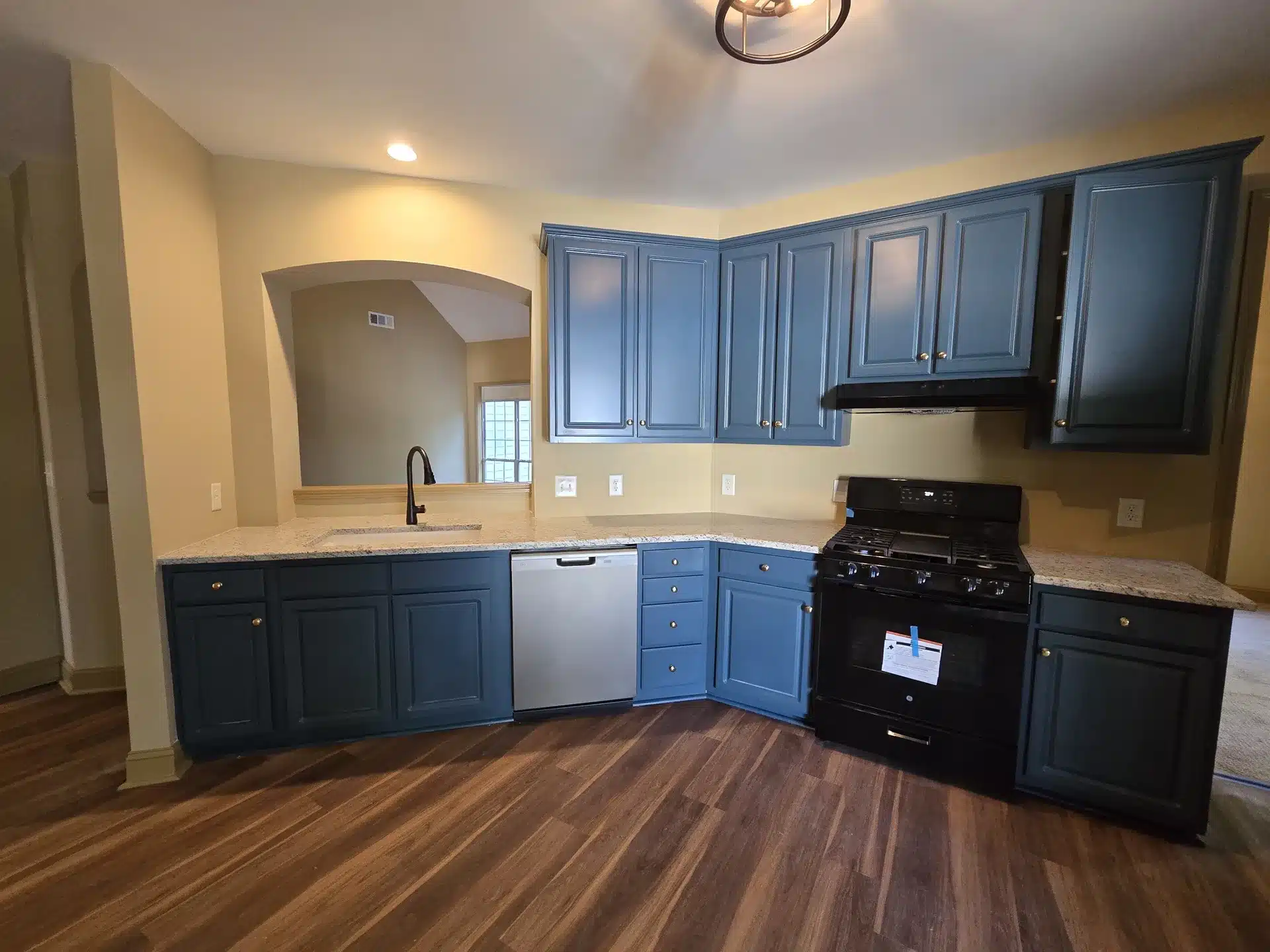
What we give you and your adjuster is an honest account of what the job requires. That is what produces a clean claim file and a home that is restored right.
Still not sure? Ask the advisor in the corner, it can look at a photo too, or call and a person will answer.
Wait for clearance from the fire marshal or fire department before re-entering. Structural damage, air quality, and utility hazards all need to be assessed. We can coordinate with you and local authorities on timing. Do not go in alone until someone with structural and air quality knowledge has checked it.
Yes. Smoke travels through ductwork and air movement, which means odor and soot particles often reach rooms far from the fire origin. We assess and treat the entire home, not just the area with visible char. Ductwork inspection is part of every fire damage job we take on.
It depends on the size of the fire, the materials affected, and the extent of water damage. A contained kitchen fire with limited smoke spread may take one to two weeks. A fire that involved multiple rooms and significant structural damage can run four to eight weeks or more. We give you a realistic timeline after our initial assessment, and we update you as the job progresses.
Mitigation stops further damage — board-up, water extraction, drying, cleaning. Restoration brings the home back to pre-loss condition — framing, drywall, paint, flooring, cabinetry. Some companies do one or the other. We do both, with one team from the first call to the final repair, so nothing falls through the gap between trades.
Most standard homeowner policies cover fire damage, but coverage depends on your specific policy, your deductible, and the cause of the fire. We never promise insurance coverage because we are not your insurer and we have not read your policy. What we can do is document the damage thoroughly and provide a detailed written quote that gives your adjuster everything needed to process the claim accurately.
Yes. We serve all of north-metro Atlanta including Fulton, Forsyth, west Gwinnett, Cherokee, Cobb, and north DeKalb counties. If your property is in the north Atlanta area, call us and we will confirm coverage on the spot.
Please don't. The wrong method on the wrong residue sets the damage permanently.
Almost always after a significant fire, and always after a furnace puff-back.
Moisture reactivates residue in porous materials. A smell that comes back in summer means untreated residue somewhere.
Most hard surfaces, yes. Heavily soot-soaked porous materials are often cheaper to replace than clean, and we scope that honestly.
Fire damage restoration in Alpharetta moves faster when the right team is on-site quickly. Every hour that soot sits on surfaces, water soaks further into structure, and odor embeds deeper into materials is an hour that adds to the recovery time and cost. We document before we touch anything, we dry to a measured standard, and we stay with your home from board-up to the final coat of paint. A person answers at (470) 201-2929, any hour of the day or night. Call now and we will have someone on the way.