Smoke and soot keep working long after the trucks leave. We secure the property, recover what can be saved and rebuild the rest, across Alpharetta and Greater Atlanta.

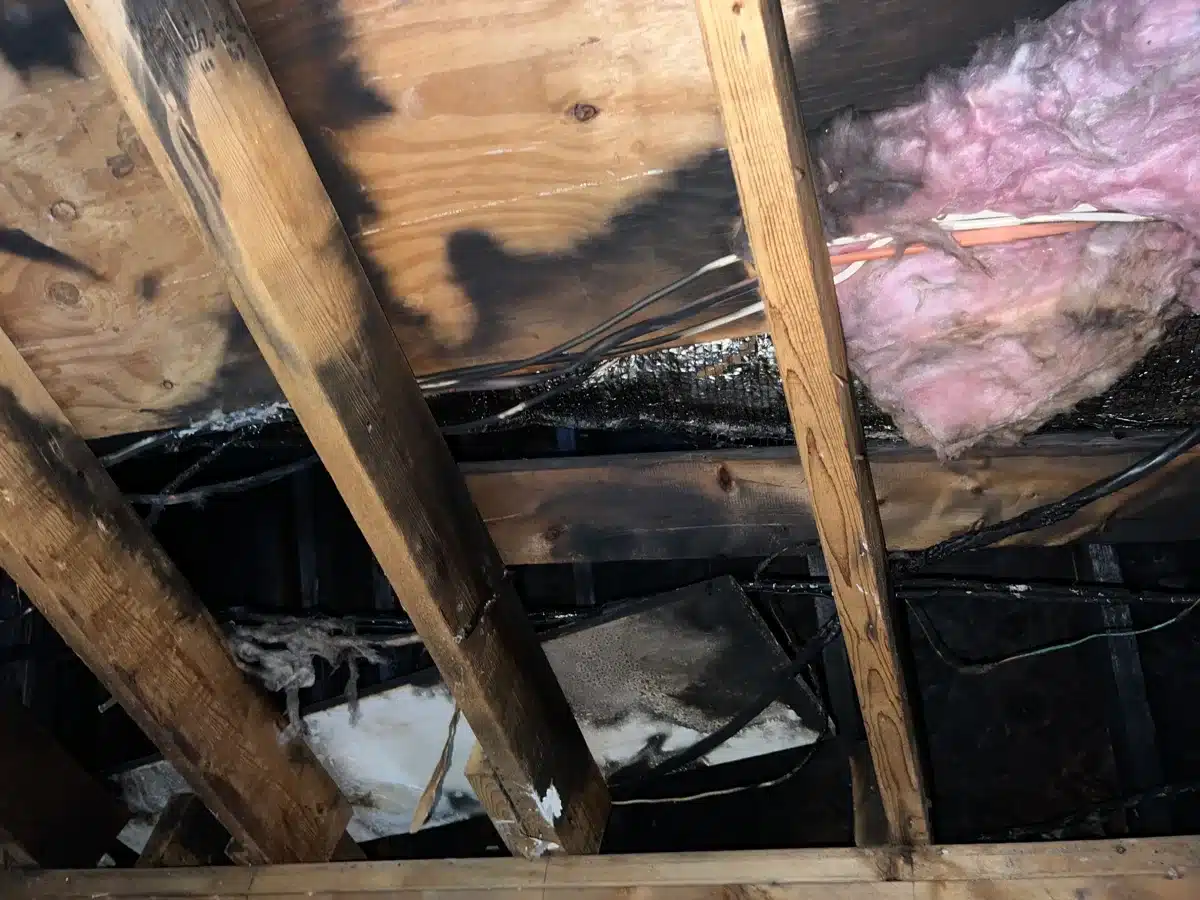
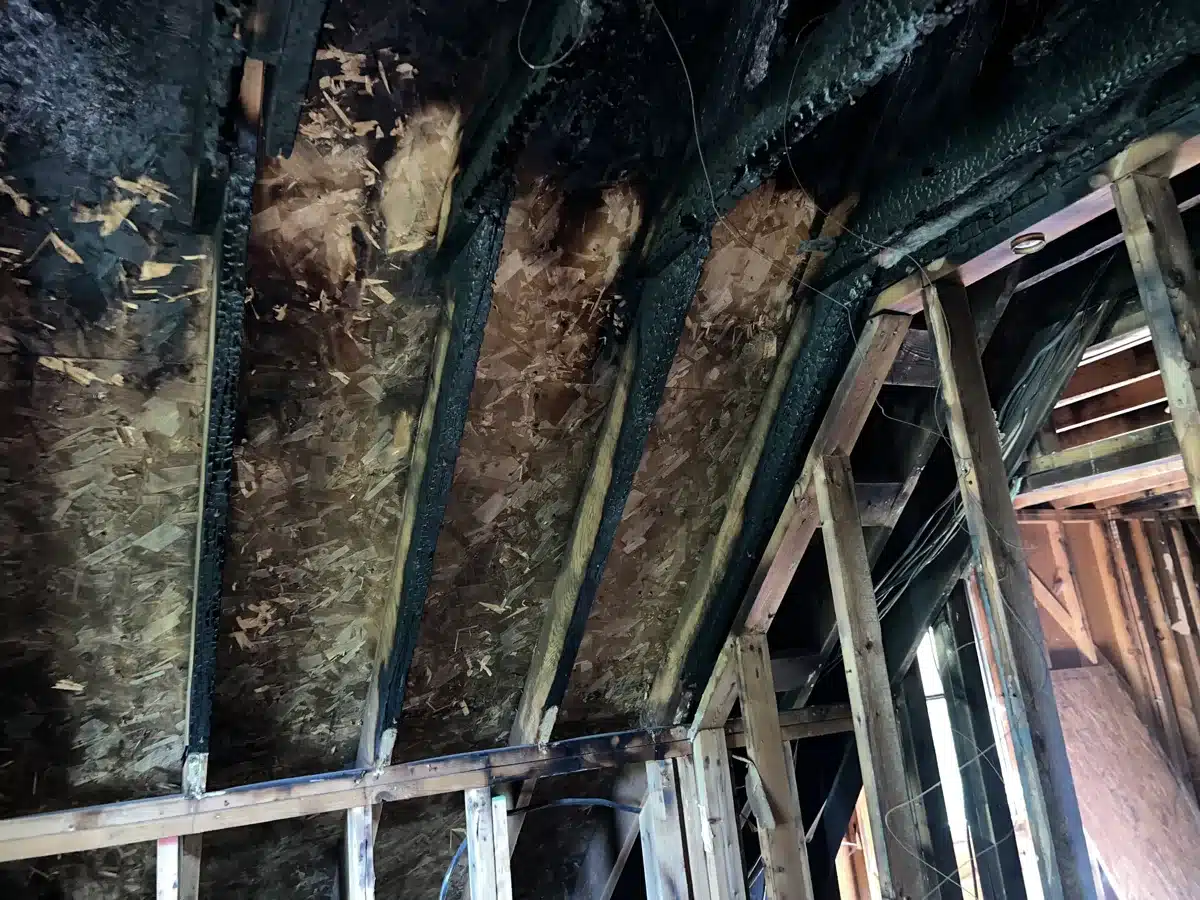
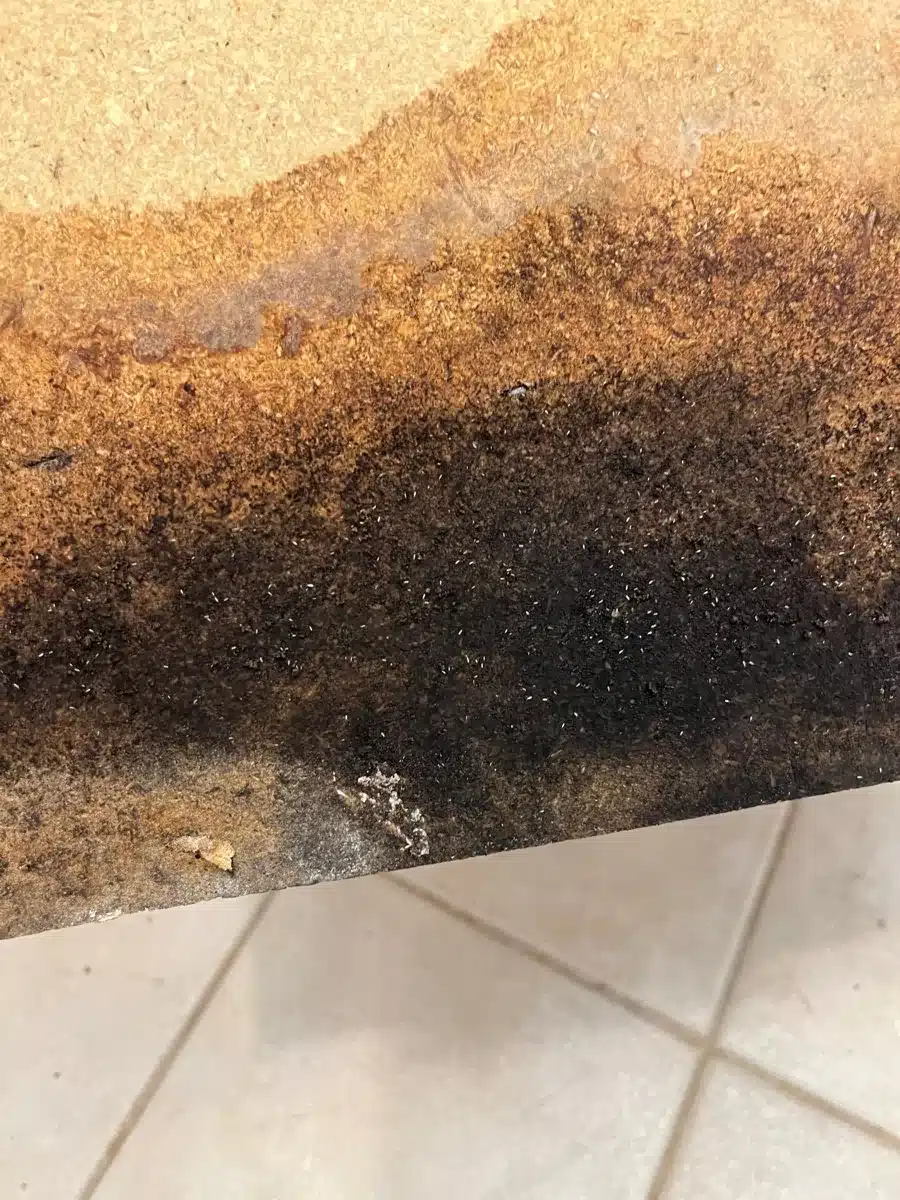
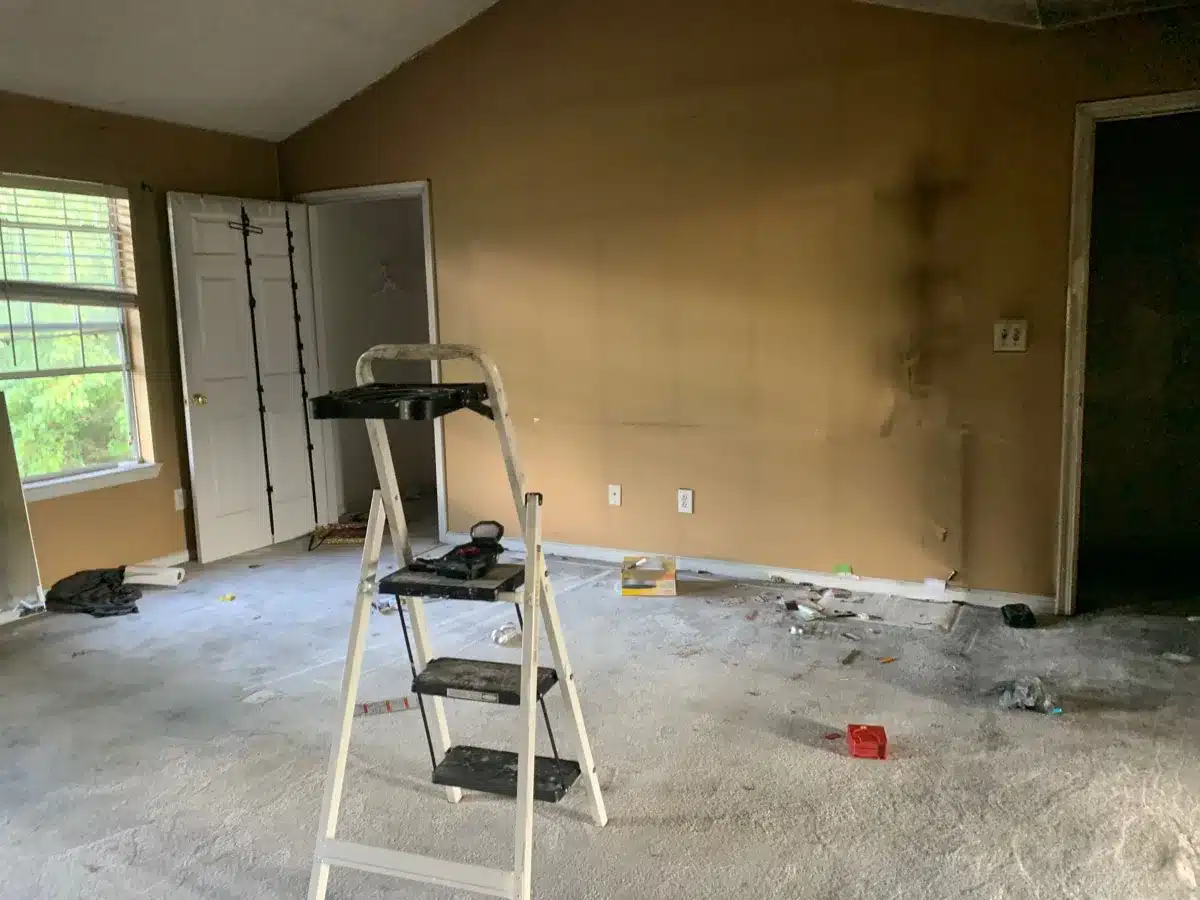
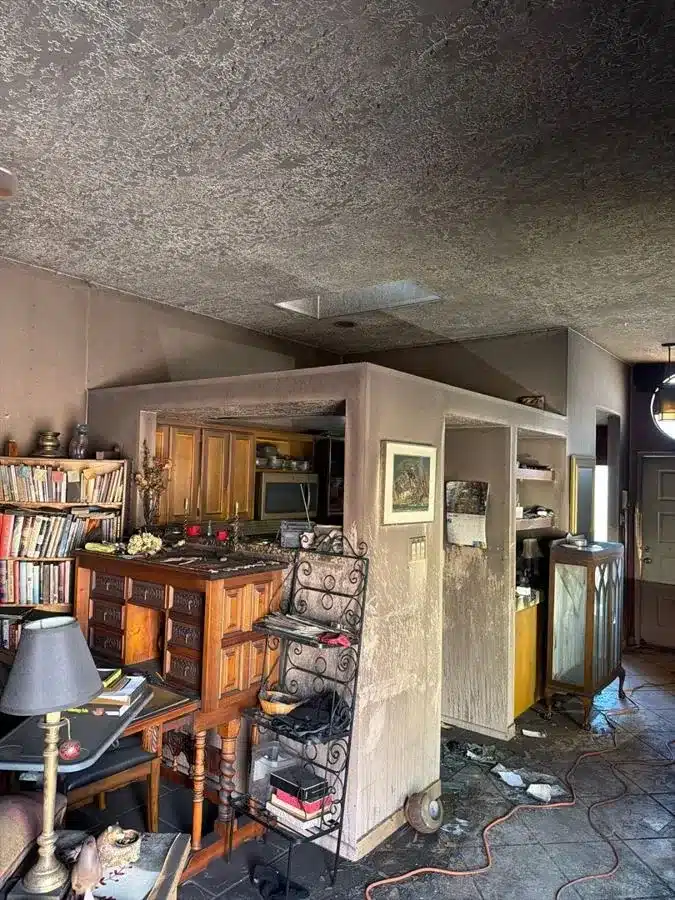
Smoke residue isn't dust. It's acidic, and it keeps reacting with whatever it settled on. Within hours it discolors plastics and finishes. Within days it etches metal, glass and grout. Left for weeks, it can permanently stain surfaces that would have cleaned up on day two. Meanwhile, the water used to put the fire out is doing its own damage underneath.
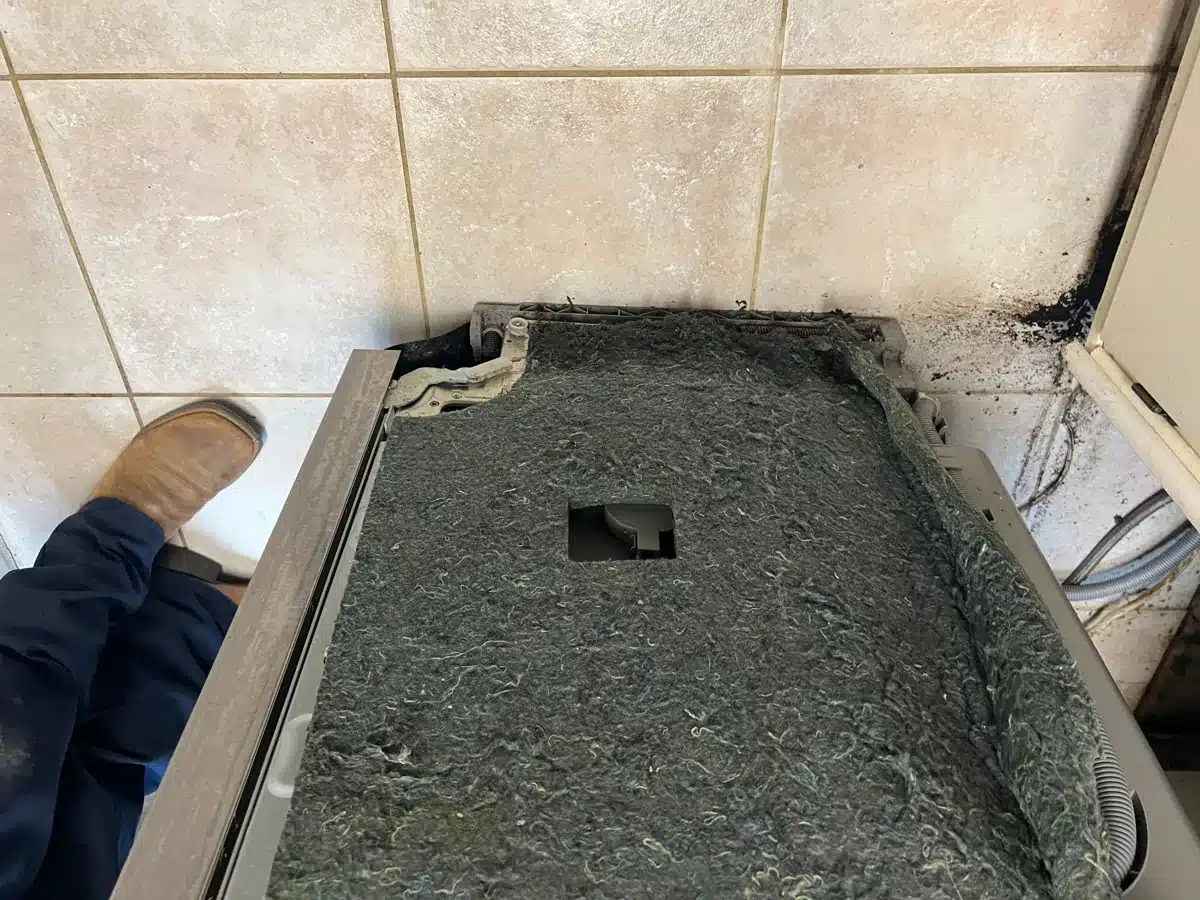
What burned decides how it's cleaned. Kitchen fires leave a thin, greasy film with a smell far bigger than what you can see. Synthetic materials leave black, smeary soot that spreads if it's wiped the wrong way. Natural materials leave a dry, powdery residue that needs vacuuming before anything gets wet.
Using the wrong method drives residue into the surface instead of lifting it, which is the most common way a fire cleanup makes the damage permanent.
From the first board-up to the final coat of paint.
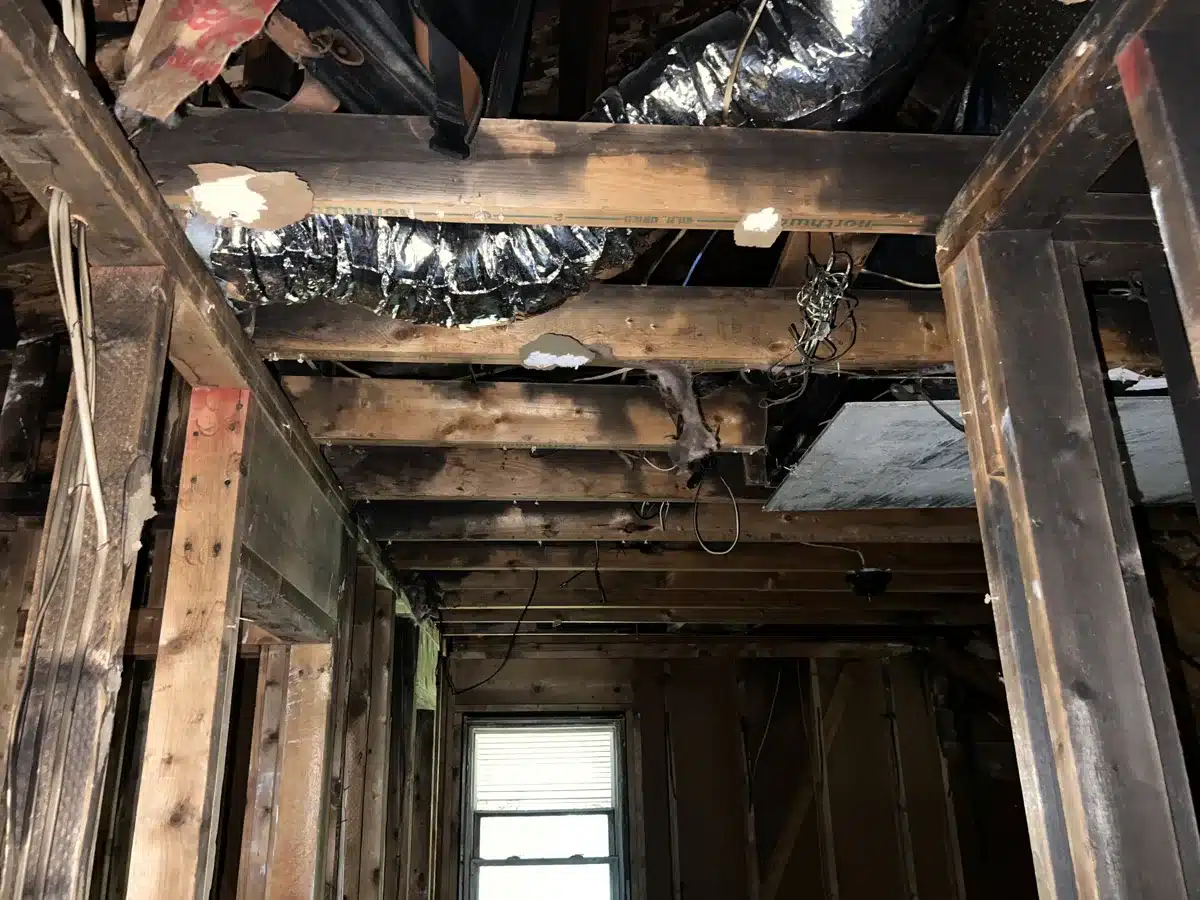
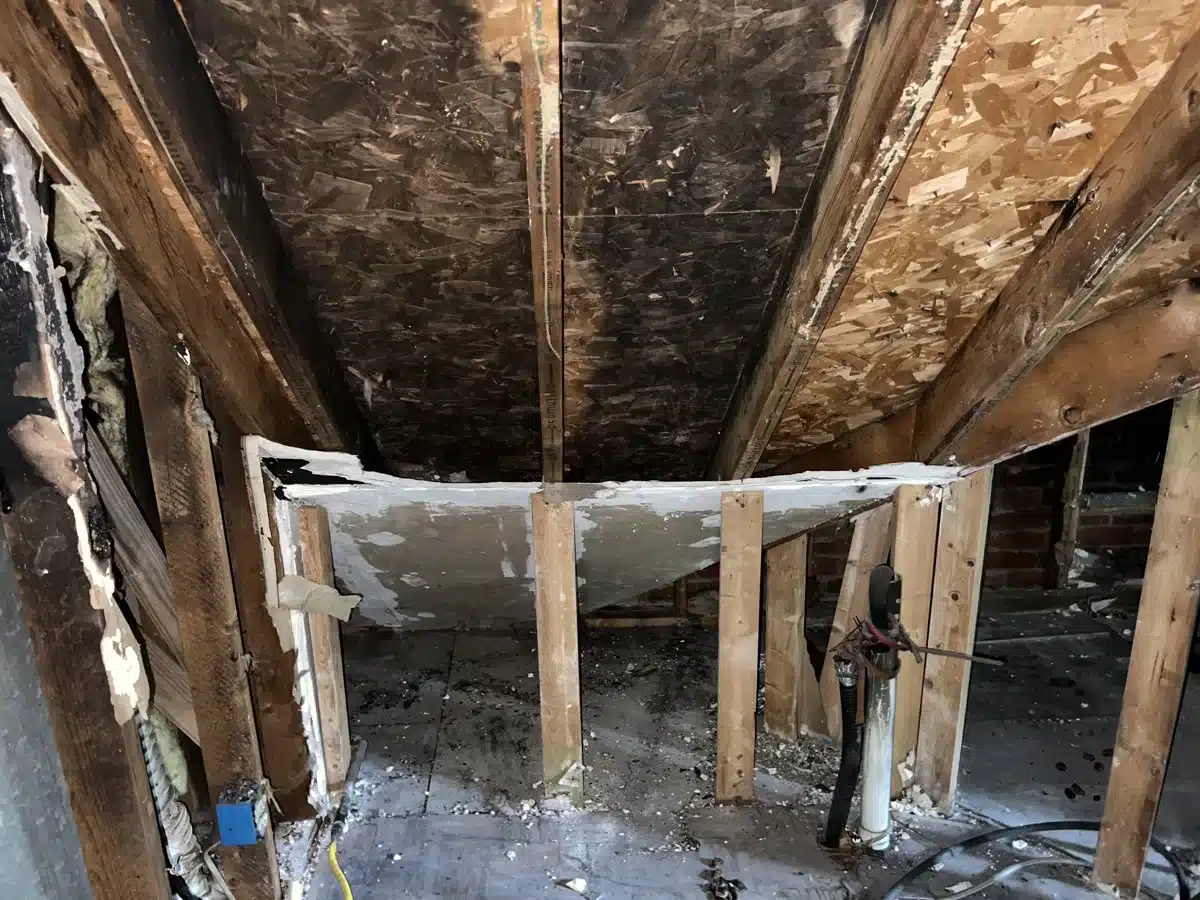
Smell is the complaint that comes back months later, because smoke reaches places cleaning doesn't: wall cavities, ductwork, insulation, the underside of the subfloor.
Masking it works until the first humid week. Thermal fogging, hydroxyl treatment and, where it's needed, sealing affected surfaces removes it instead of covering it.
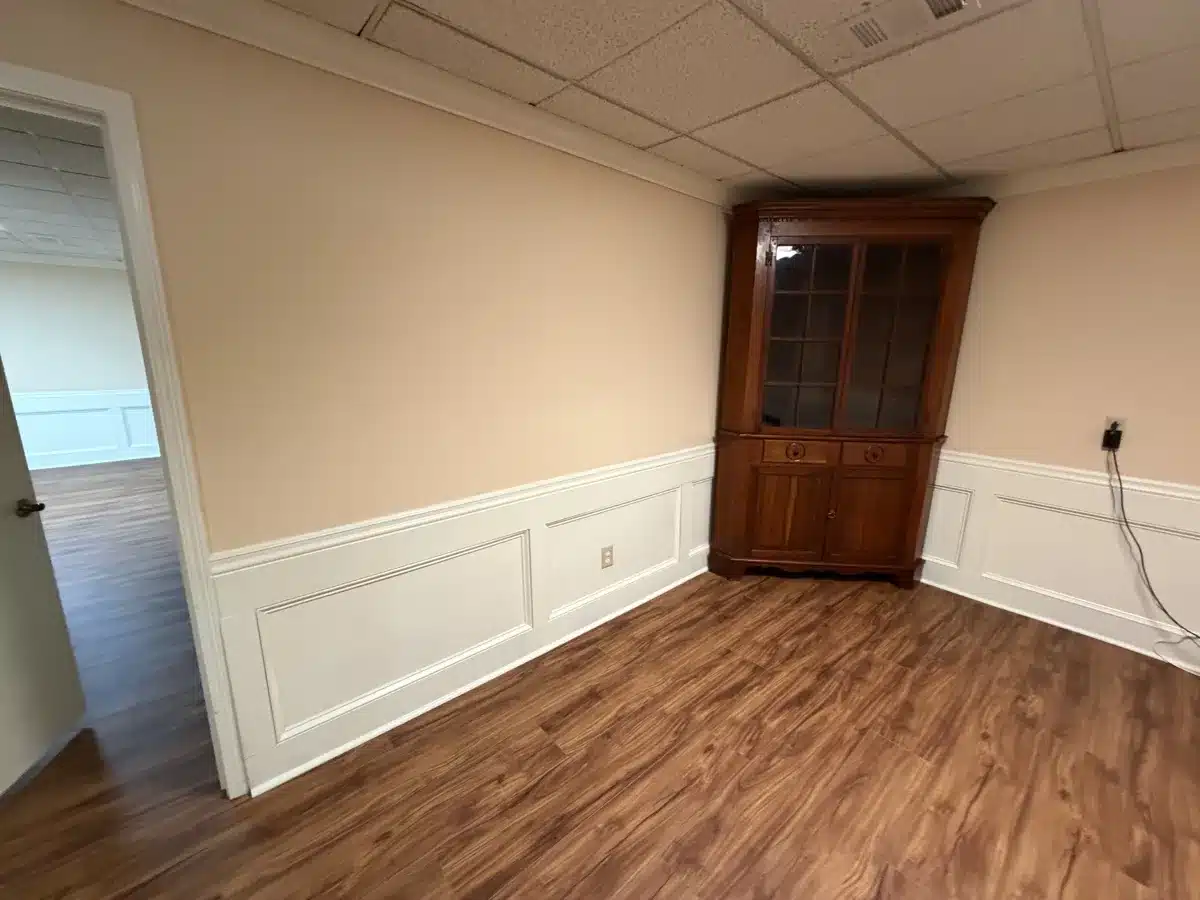
Before
AfterThe structure is the visible part of the loss. The contents list is where most of the disputed value sits.
Never throw damaged items away before they're inventoried. Once something is gone, it's hard to claim.
Board-up, then photographs of the structure and contents before anything is moved.
Every item logged as salvageable or a total loss, with the reason written down.
Identifying what burned, because the residue sets the cleaning method and the scope.
A written quote for cleaning, contents and reconstruction.
Reconstruction to pre-loss condition, with the full documentation package handed to you.
Rated 4.5 on Google across 203 reviews from Atlanta-area homes and businesses. Our customers name the technicians who showed up — Juan, Jayson and the rest of the crew — which is what happens when the same people turn up rather than whoever was available.
"Great customer service and communication throughout the project. I would definitely recommend giving them a call."
Dan, thank you so much! We're glad the communication made the process easier, that's something we really care about. We appreciate the recommendation!
"Jayson and Juan were so very helpful and kind and worked fast. I really appreciate every bit of work they put in here today."
Thank you so much for the kind words, Kathleen — we're thrilled Jayson and Juan could be so helpful and efficient. I'll be sure to pass your compliments along to them and the rest of our team.
"Juan and his crew did an amazing job getting the damaged parts out of my room after my HVAC unit leaked water."
"He was exceptional."
Susan, thank you for the kind words! We're so glad you had a great experience and appreciate you taking the time to share this!
Still not sure? Ask the advisor in the corner, it can look at a photo too, or call and a person will answer.
Only once the fire department has released the property and the structure has been checked. Soot irritates the lungs, and a fire-damaged structure may not be sound.
Most of it, if work starts quickly. The longer acidic residue sits, the more likely some staining becomes permanent.
Smoke travels. Items in rooms well away from the fire often need cleaning, and they belong on the inventory.
Odor removal is generally part of a covered fire loss. It needs to be scoped explicitly, which is why we itemize it.
Cleaning usually takes one to three weeks. Reconstruction depends on the extent of the damage and on permitting.
Water, fire, mold or storm — if it's happening now, don't wait on a form. Call and a person will answer.
Second opinions, insurance questions, or damage that can wait until morning — this reaches us either way.